Author: Bill

  • My Night Time Ritual… the update

    My Night Time Ritual… the update

    Just a quickie of an update.

    The night time ritual may be one of the harder aspects of your lifestyle with which to be consistent. You get distracted. You’re engaged in some activity. Maybe you’re just spacing out on Netflix and lose track of time.

    A couple of things to remember.

    Set an alarm to remind you to start your night time ritual. We have no issues setting one to get our day started, but for some reason, rarely consider the importance of our preparation for rest and sleep.

    Organize your night time ritual. Here’s mine:

    My alarm goes off at 9pm and I stop what I’m doing (this is difficult sometimes but I do it).
    I make sure my OURA Ring is charged to track my sleep.
    I make my night time journal entry on my thoughts of the day being sure to ask myself the all important question, “How did I get better today?”
    I make my night time hot tea (decaf of course).
    I update my Full Focus Planner (save 15% with this link)
    I do my “get ready for bed stuff.”
    Out like a light.

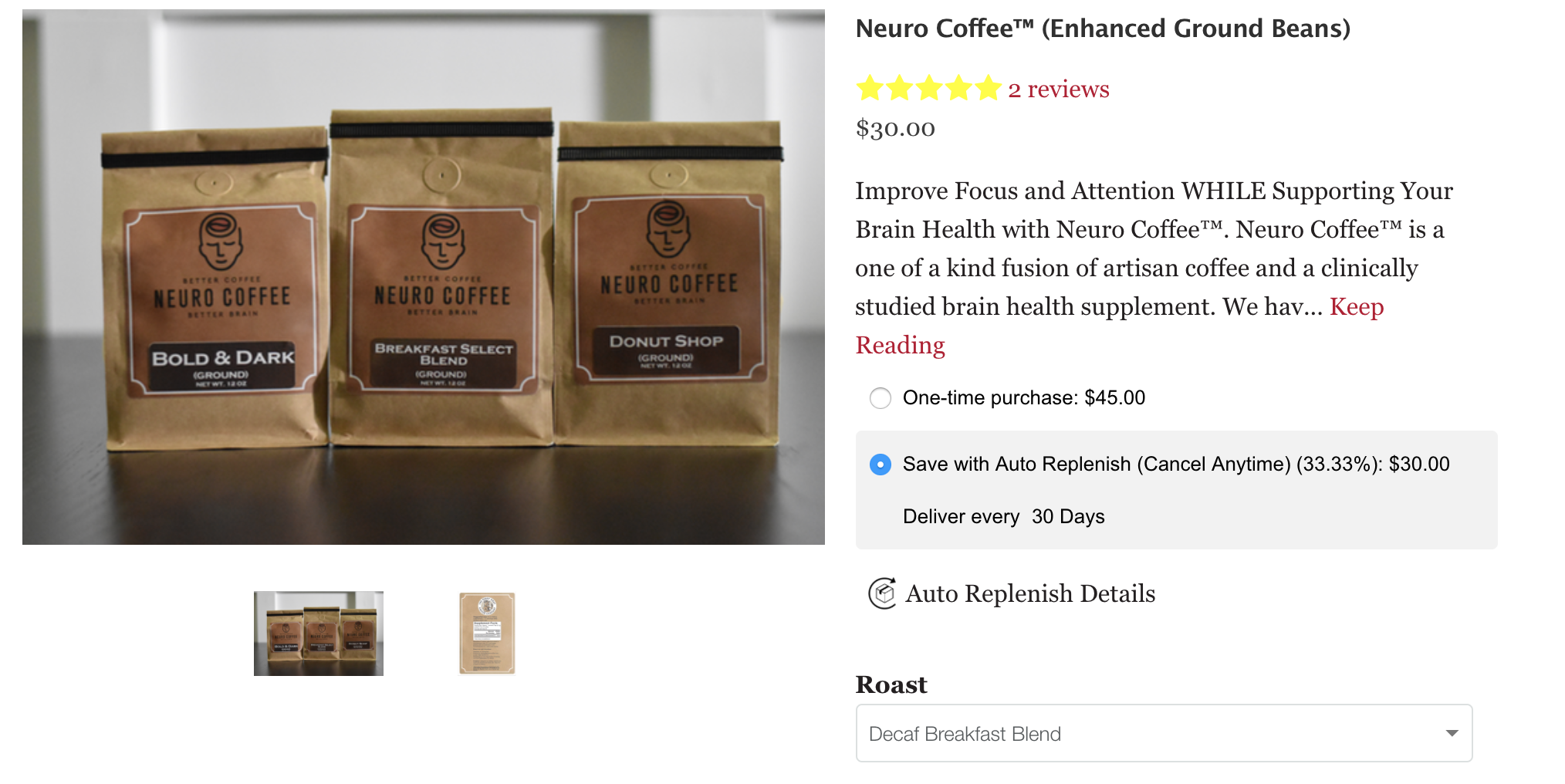
    I’m making a change to my ritual by the way. I’ll be replacing the hot tea with a night time dose of Decaffeinated Neuro Coffee.

    Dr. Mike and company have created a 98-99.9% caffeine-free version of Neuro Coffee for those that either can’t tolerate or simply don’t want the extra caffeine in the regular Neuro Coffee.

    Another dose of BDNF from my Neuro Coffee and that means I’m able to further support my brain health and stress management.

    Remember to use the coupon code IFASTPT to save on your first order!

  • How to Use Retrieval to Improve Learning

    How to Use Retrieval to Improve Learning

    Consider all the possible information available to learn on a topic. It can seem infinite and overwhelming.

    If we want to improve ourselves personally or professionally, we must continue to learn and be life-long students regardless of our current understanding or status. Always have the beginner’s mind if you will.

    Oftentimes, retrieval, a key aspect of learning, is either unknown or simply ignored.

    My favorite resource in understanding the impact of retrieval to improve learning is the book Make It Stick. In it, authors Brown, Roediger, and McDaniel explain the retrieval of new information, especially effortful but successful retrieval, enhances your ability to learn. This applies to literally anything new the brain must learn from the most complex of topics to even new movement skills (remember, training is testing and testing is learning!).

    What is your current strategy for learning?

    Is it rereading? Highlighting text? Underlining? Rewriting notes on your computer?

    If you’re really trying to learn something, I suggest you start to develop a method to test your understanding of new material. It may seem like the last thing you want to do if you’ve spent a great deal of time in formal academia, but it remains one of the most powerful tools to accelerate learning.

    Two methods that I mention in the brief video below are the use of flashcard (notecards you make yourself) and Quizlet.

    I’ve used both successfully. I think a notecard system is a more favorable method to make information meaningful because you’re doing the writing and creative work that makes the effort more meaningful. Attaching emotion to learning can also enhance the effect.

    Quizlet is not my primary tool, but I will use it as a tool for retesting in some cases. It is also shareable if you’re learning new information with friends or colleagues.

    As a clinical instructor, I set aside time at the end of the week to review, reflection, and questioning of my intern in regard to new information presented. This forces him to retrieve that which we may have talked about during the week to assure that he is understanding and retrieving correctly. However, one does require an instructor to provide testing. Create a methodology that challenges you to retain and retrieve information. Each time you do so successfully, you make it easier to retrieve and to utilize that information in multiple circumstances (this is a reference to being a neo-generalist but that’s another topic for later).

  • A Capacity Circuit Example

    Here’s a capacity circuit that I did recently.

    You can set up your activities up based on time such as 30 seconds for each activity or by reps like I did on this circuit.

    Move casually from activity to activity as a rest period and move continuously for 20-30 minutes.

  • How to Avoid Temptations and Overcoming the Challenge of First-Level Consequences

    How to Avoid Temptations and Overcoming the Challenge of First-Level Consequences

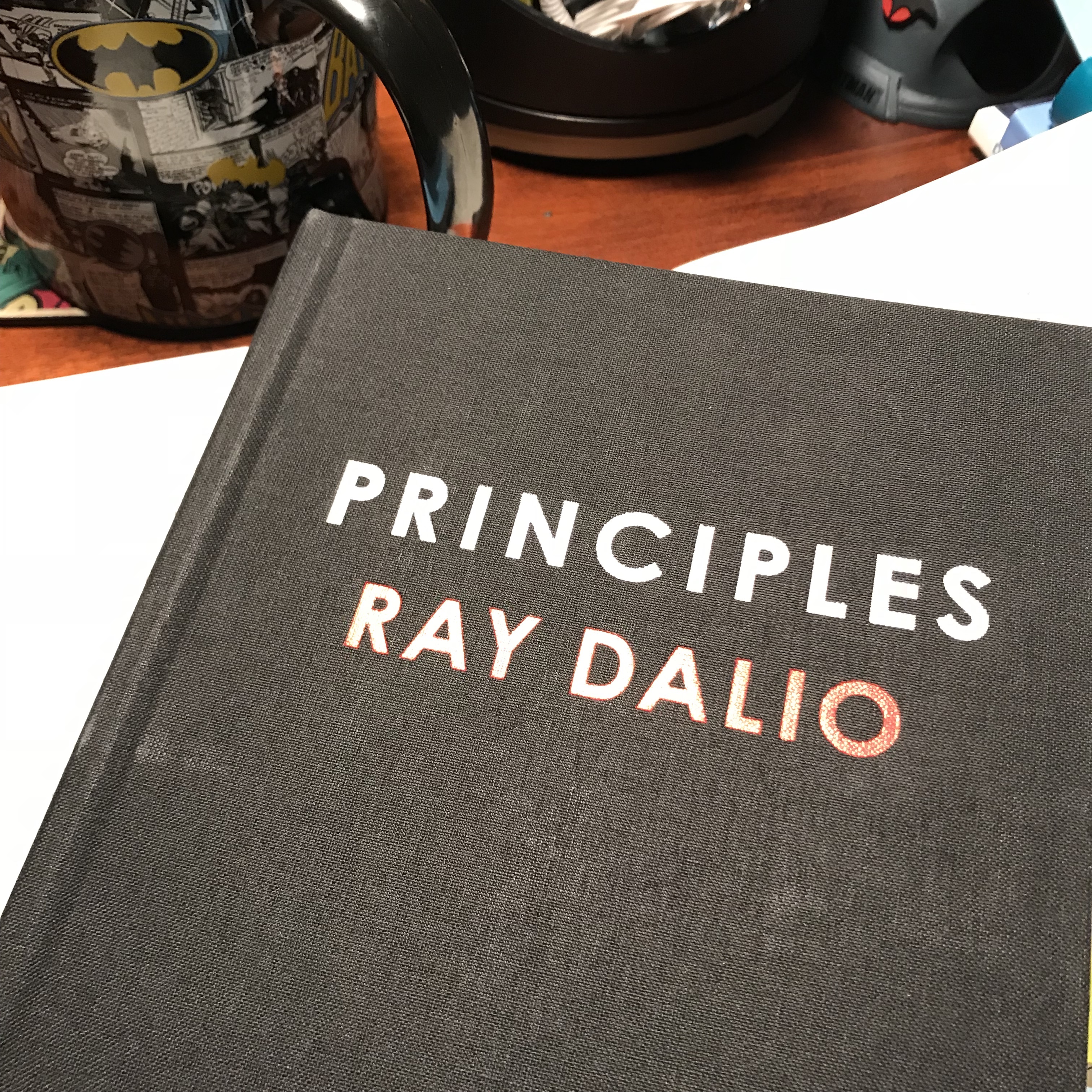
    I’m currently reading Ray Dalio’s Principles in which he outlines his principles to live by in his work and life.

    One of his mid-level principles really struck home with me. It applies to the many decisions we all have to make in regard to our desired outcomes whether we’re on the fence about getting to the gym, what we should eat vs. what we want to eat, or being effective with getting our work done.

    The principle refers to recognizing the difference between first-order consequences and second and third-order consequences of our decisions.

    First-order consequences tend to be the seemingly less desirable outcomes of our decisions.

    For instance, there is often perceived discomfort associated with the fatigue and the muscular work associated with exercise. If the decision whether to exercise or not is based on first-order consequences, you’ll most likely not get your workout completed as planned.

    Those who are less successful in their endeavors tend to make decisions based on first-order consequences while more successful people are able to see the value of second and even third-order consequences.

    If you’re able to see that the second-order consequences of completing your workout will result in improved health, a more fit-looking body, and more comfortable movement, you’ll be more likely to stick to your workout plan.

    The same goes for your eating plan.

    “Quite often the first-order consequences are the temptations that cost us what  we really want, and sometimes they are the barriers that stand in our way. It’s almost as though nature sorts us by throwing us trick choices that have both types of consequences and penalizing those who make decisions on the basis of the first-order consequences alone.

    By Contrast, people who choose what they really want, and avoid the temptations and get over the pains that drive them away from what they really want, are much more likely to have successful lives.”

    -Ray Dalio, Principles, page 156.

    I’m not saying to never indulge in your favorite foods ever again. I’m not saying that some days you just don’t have the energy to put forth the effort in the gym. It happens to everyone. Just see that an unplanned deviation from your plan and goals has consequences.

    Is it worth it to indulge? Would sticking to your workout plan get you to your goal faster and make you happier in the long run?

    Most likely, yes.

    If you’re challenged by the desire to deviate, pause, take a deep breath, and see the second-level consequences that lie beyond the most-likely emotional decision of the first-order consequences.

    Your comeback starts today.

  • Landmine Exercises for your ALL GAIN, NO PAIN program