Here’s some highlights from a recent mentorship call with two of my favorite humans.
You’ll be able to participate in these calls very soon. Get signed up below.
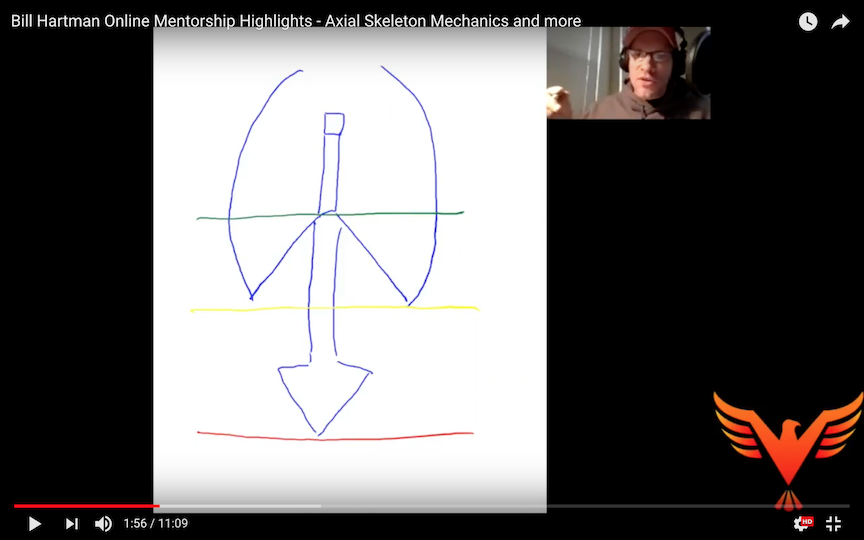
Here’s some highlights from a recent mentorship call with two of my favorite humans.
You’ll be able to participate in these calls very soon. Get signed up below.
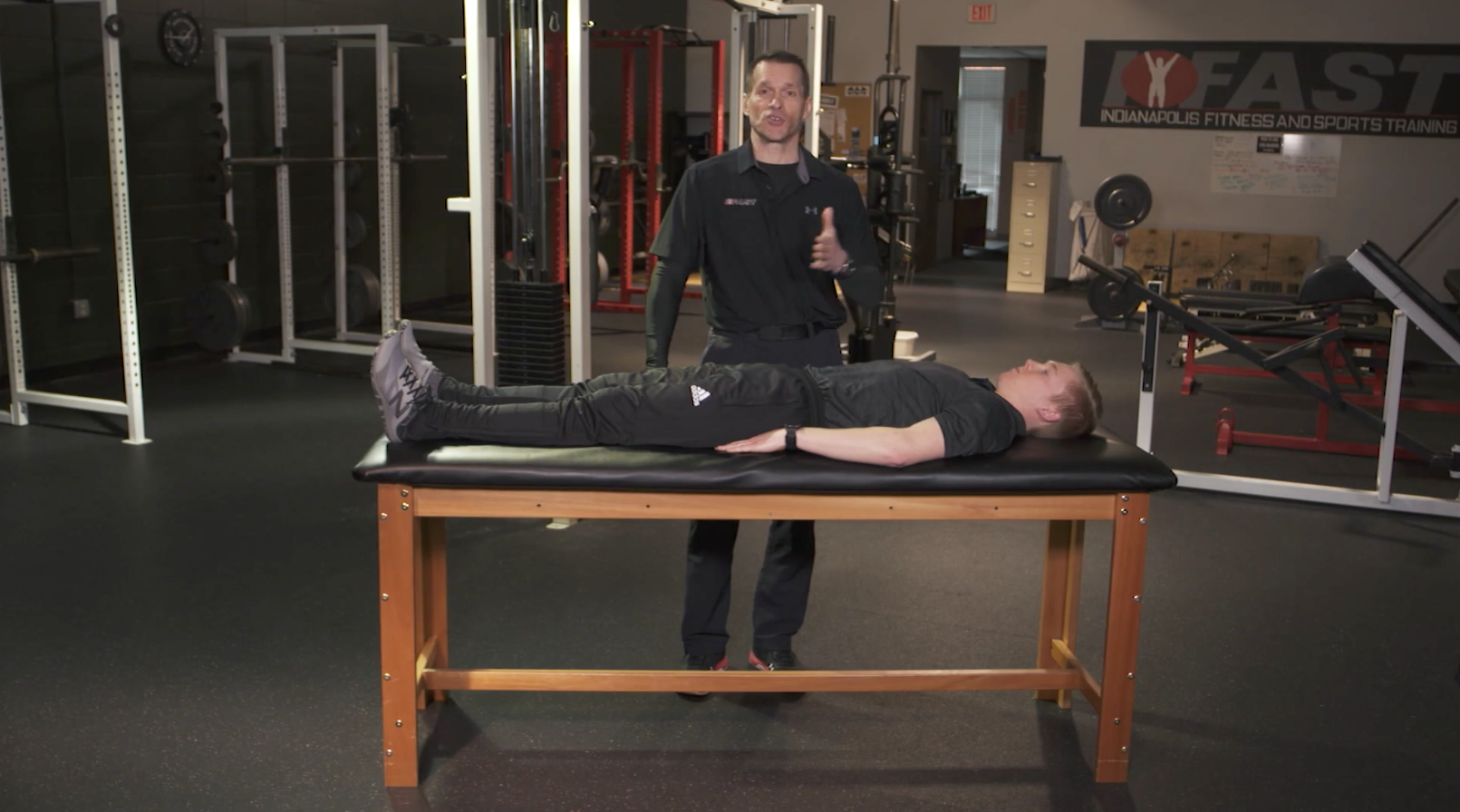
Joel Jamieson was recently at IFAST, and we did some extensive video updates for his Certified Conditioning Coach Course.
This update is digging deep into not only the conditioning side of things but also the importance and impact of recovery. We covered a number of concepts that we regularly apply at IFAST that you be able to implement quite easily.
You’re going to want to take advantage of the early registration discount, so don’t wait. This expanded course will accelerate your understanding and your effectiveness as a coach
We also provide you with some info you can get started with right now.
This includes a video of one of the assessments that is a key to your exercise selection in recovery and movement as well as my business partner at IFAST, Mike Robertson taking you through an exercise to improve breathing and movement.
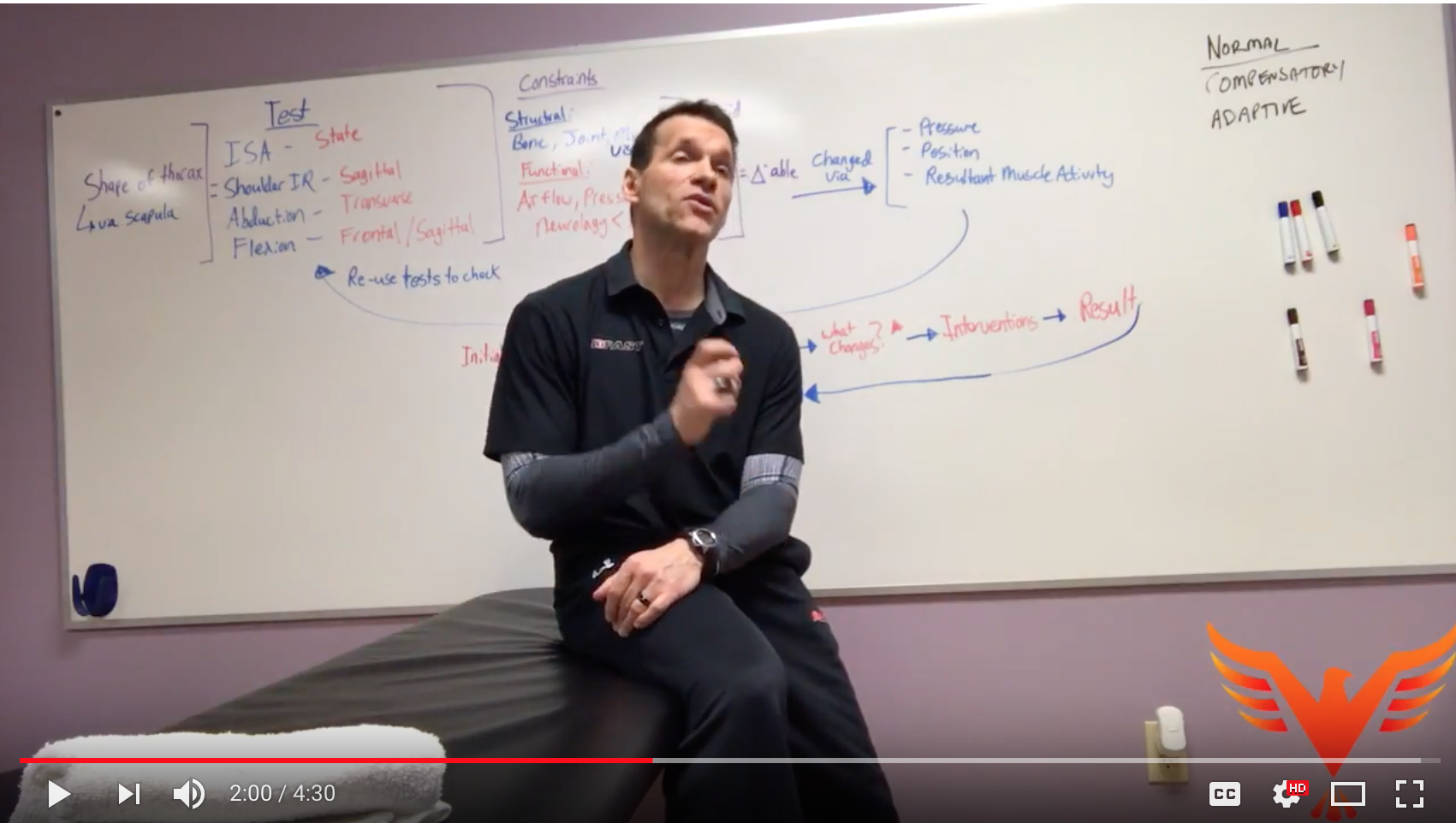
Here’s part 2 of the discussion on normal, compensatory, and adaptive mechanics.
Normal mechanics are the foundation upon which you build your understanding of how the body will compensate and adapt.

I find that I’m writing more and more… to myself.
The more I write in my journal, the more effective I am in regard to goal completion and just plain getting things done. This is well beyond using my daily planner to stay organized
There’s an element of objectivity that arises as your write to yourself. You become your own coach and gain perspective what you’re really doing and how you’re behaving.
Consider using your journal to establish your standards of behavior that you’re willing to accept. Write as if you’re talking to someone else with the same goals and same challenges and demands on their life (aka time).
Answer these questions to get you started.
What do you really want to achieve?
Why is that important?
What behaviors are required to get there (don’t worry about the minute details yet)?
How will you execute those behaviors within the constraints of life?
What are your minimum acceptable standards that need to be maintained regardless of those constraints?
What is the one behavior you can change right now that will impact a favorable outcome?
How will you implement that one behavior?
How will you monitor and measure that behavior?
Once you’ve answered these questions, implement your new behavior immediately even if it’s not the right time of day. Consider it part of your lifestyle right now.
If your behavior was going to the gym three times a week, you are now a regular gym-goer three times per week no matter what happens with your schedule. Just get there.
If your plan is to get to bed earlier and then set your evening alarm to remind you to get to bed and when it goes off tonight, go to bed.
In the evenings, I suggest you make one more journal entry.
Answer this question.
How did I get better today?
Your comeback starts today.
For this example, we used the shoulder as a frame of reference to discuss the difference between normal, compensatory, and adaptive mechanics.
Part 1
Part 2 is not far behind…