A weightlifting belt is most often worn to increase the amount of weight you can lift. However, there may be other uses as a teaching tool in some contexts.
The intraabdominal pressure created by the lifting belt can provide cues to promote a concentrically-oriented pelvic diaphragm and create an overcoming contraction to enhance lower extremity strength/force production, improve jump landing mechanics, or restore pelvic floor control.
We’ve been reviewing pressure and volume shifts throughout the pelvis that influence the pelvic diaphragm shape, position, and movement.
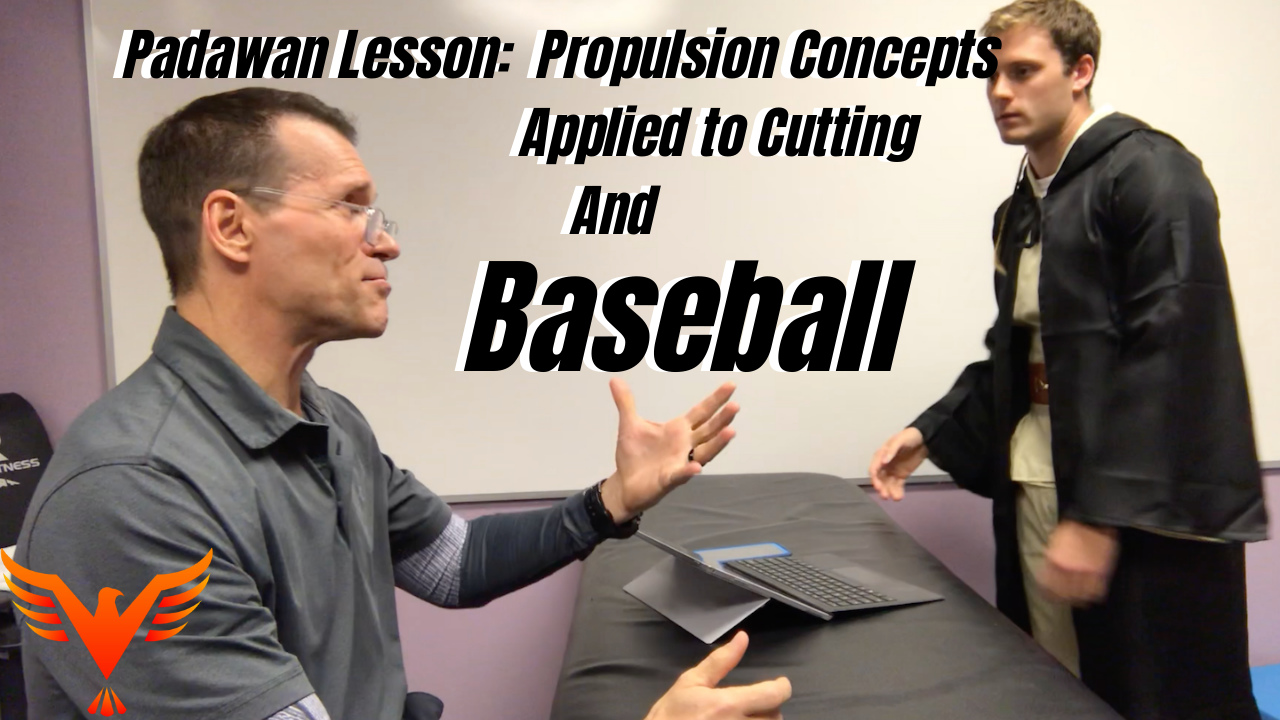
In this video, we move up to the thorax to address the thorax movement, shape change, and airflow mechanics that occur with cutting to the side and a baseball throw.
Just as we talk about propulsion, concentric and eccentric muscle orientation, and overcoming or yielding contractions in the pelvis, these same concepts apply to the thorax.
Near the end of the video, we provide a visual representation of the thorax shape to help you understand the result of the conversation.
If you have questions, please go to my instagram account and post them on the weekly Q & A request or email me at askbillhartman@gmail.com.
There may be multiple factors a play as to why any manual therapy may be useful. To simplify the model of application, right or wrong, we can just look at it as moving fluids in and out of a space or promoting concentric or eccentric orientation of muscles.
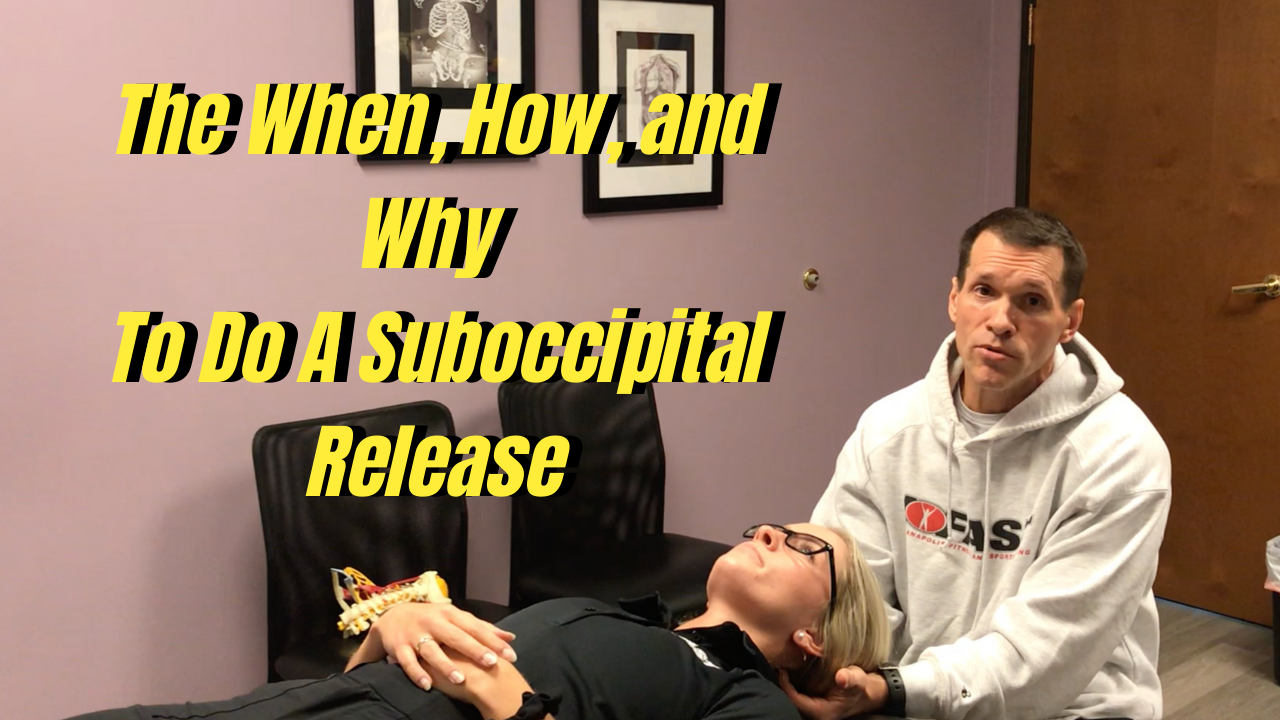
A suboccipital release is a commonly applied tactic for various purposes and various diagnoses. How and when to apply it has always been rather vague, but over time, I’ve put together some reasoning and signs as to when it’s best to apply.
A distracting technique can be applied if you find the following signs:
Limited ipsilateral hip flexion
Limited ipsilateral shoulder flexion
Greater ipsilateral mandibular lateral trusion
Greater ipsilateral upper cervical rotation
When these signs are unilateral, use a compressive manual strategy on the contralateral side as shown in the video.
For symmetrical presentations with the limitations mentioned above, apply the distraction manual technique bilaterally.
If you find excessive upper cervical rotation, limited lower cervical flexion, and bilateral hypermobility of mandibular lateral trusions, then apply the compressive technique bilaterally.
Bill can you give a quick overview about the propulsion phases?
Can you explain eccentric/concentric orientation? Is it different than short or long
How do you approach rehabbing a core muscle injury/sports hernia?
Advice on handling current DPT education knowing that much of it is no longer best practices.
Bill, are you seeing any differences in typical presentations from the neck up (e.g. c-spine, jaw, palate) in people with an inhalation bias vs exhalation bias?
Is there any case where you would try to cue a position or action from the neck up along with biasing IR/pronation/extension/dorsiflexion or ER/supination/flexion/plantar flexion?
If the squat is an expansion pattern and deadlift is a compressive pattern, does that mean someone with a narrow infrasternal angle would generally be better at a squat since they have more space to expand into, or would they generally be better at a deadlift since they are already in an exhaled/compressed position?
Can you expand a bit more on what is going on in the suitcase carry you posted on your recent video? I tried it myself with a test-retest of internal and external rotation of my shoulders and there was a significant improvement.
Why a squat is an eccentric/expansive/inhale biased movement pattern?
Why a hinge/press/pull are concentric/compressive/exhale biased movement patterns?
Apart from the squat what are the other (if any) key expansive movement patterns – single leg/single arm movements?
if someone has an anteriorly rotated pelvis that is in an exhaled position with limited hip mobility, what will be the first step/exercise that you would use?
What is the most impactful philosophical book you have read?