I have a question from the IFAST PT fellow, so grab your @neurocoffee for this one.
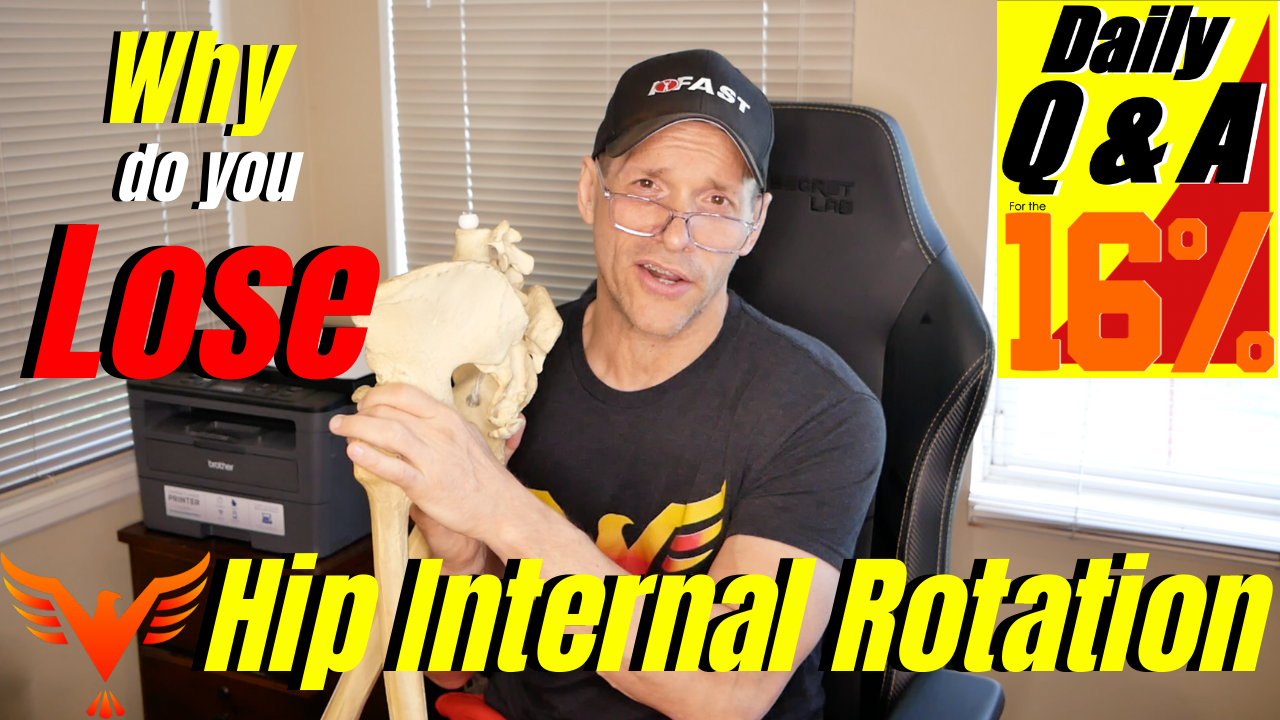
From Austin: If somebody has limited hip IR, that would indicate anterior compression, however you have mentioned a loss of IR being due to compression below the level of the trochanter posteriorly. How do you determine whether compression is from the anterior or posterior aspect of the hip and limiting the IR? Have a great weekend! The podcast will be up Sunday.
Attention IFAST University members: We have a Q & A on Monday.
Check the schedule on IFAST U. #hipmobility #hipexercises #billhartmanpt
We had a great Coffee ’n’ Coaches Conference Call this morning.
New people and my @neurocoffee made it a great start to the day.
Michelle got us rolling with a question about yielding and overcoming actions. Here’s the answer. We’ll be on Zoom next Thursday at 6am for another call. Don’t miss it.
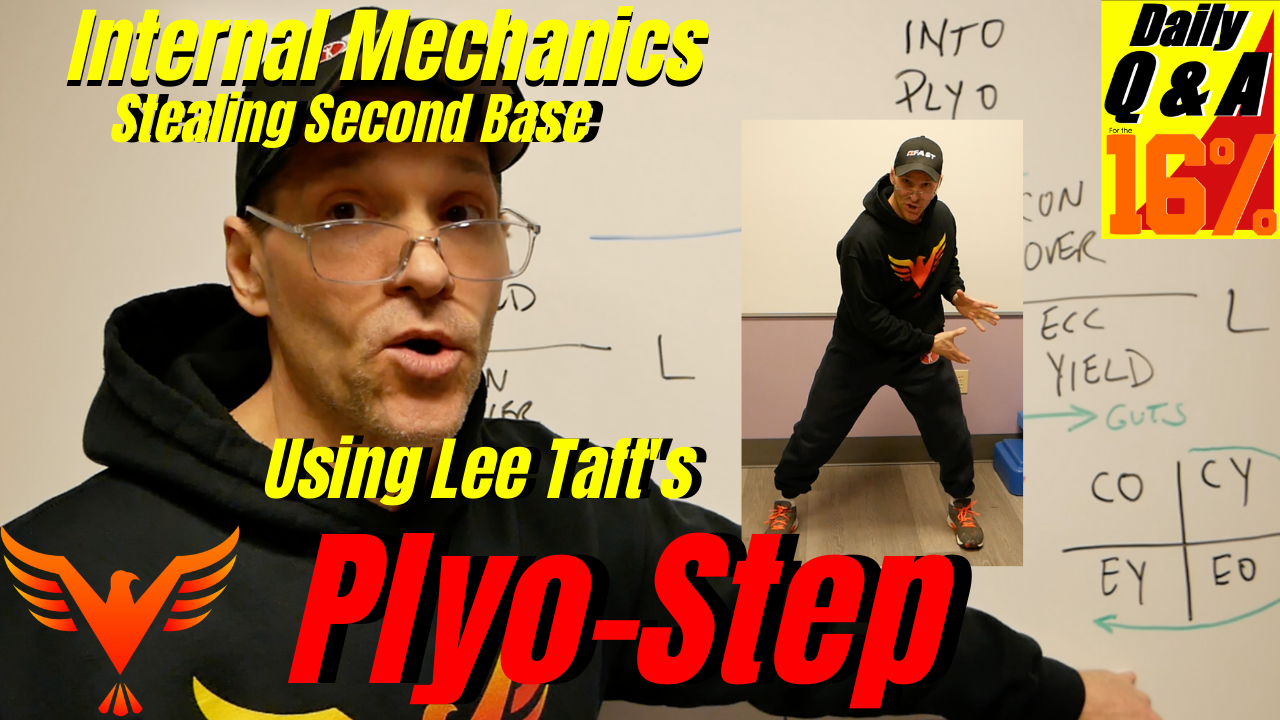
I have been thinking about the mechanics of base stealing in baseball and trying to use your rethinking agility video as a reference for understanding, but I was wondering if you could clarify the pelvic floor mechanics if you’re starting from a lateral stance without a cut or change of direction preceding the acceleration?
In this video:
We look at this question from the outside mechanics to the internal mechanics with an active demo and then a whiteboard explanation.
This includes the internal mechanics of my friend, Lee Taft’s Plyo-Step.
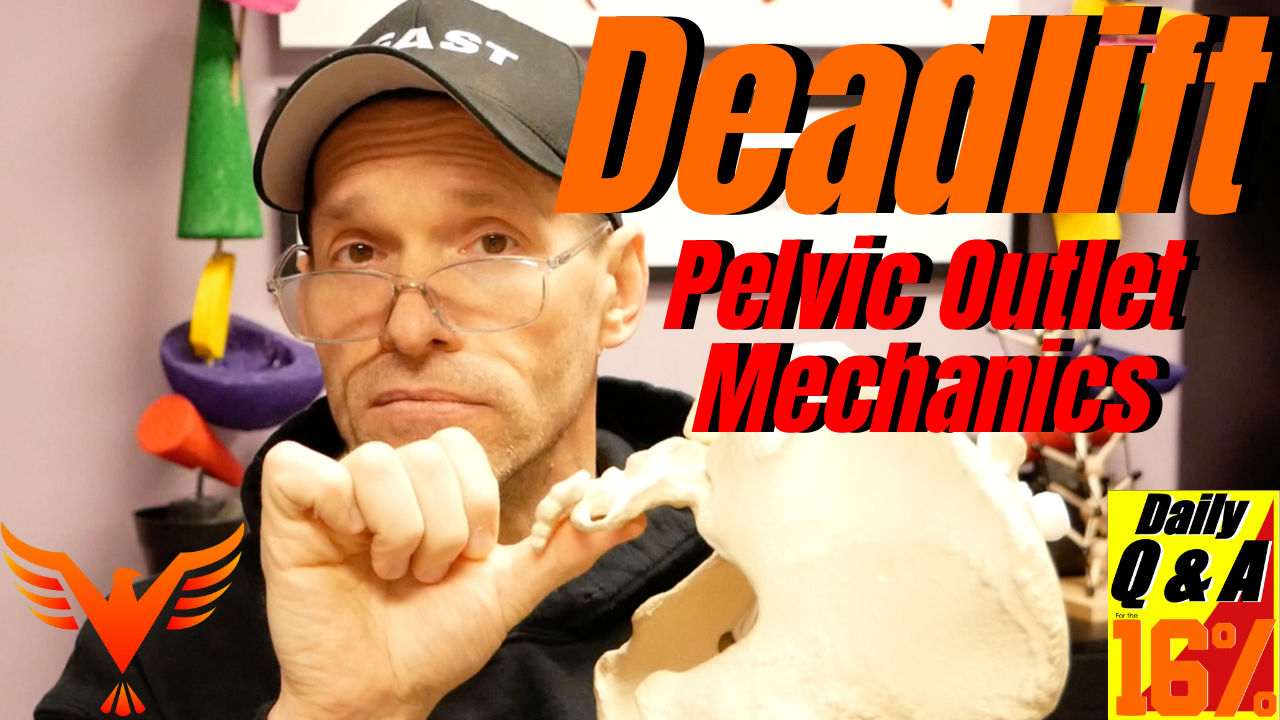
Question: If someone is unable to move hips backward further in a deadlift, ended up rounding the lumbar spine, does it indicate an inability to further nutate sacrum and create compression at the pelvic diaphragm, or does it mean he is not eccentrically orienting enough the pelvic diaphragm to allow actions to happen?
Thank you
Zhang
In this video:
A quick review of the difference between a squat and a hinge in regard to pelvic outlet mechanics.
What’s the pelvic floor doing during a squat and a deadlift?
One thing that would help me better understand and apply some of the concepts you reference in your videos is aligning more precisely with terminology. Specifically, some of the terms/concepts you frequently use feel synonymous even though they are not. It sometimes confuses me.
For example, in an absolute sense exhalation strategy, compression strategy, and concentric orientation are not all the same idea. However, when we move away from the absolute and start talking about anecdotes, such as various ways powerlifters move, the correlation between the terms is sometimes very high depending on the specific example.
This makes it hard/confusing/error-prone to then extrapolate my understanding of the concepts to other practical or illustrative examples.
The list of terms I’d like clarity on, both in absolute and also as they relate to other terms in the list, are as follows:
Extension/flexion
Concentric/eccentric orientation
Overcoming/yielding action
Inhalation/exhalation strategy
Expansion/compression strategy
In this video: Each of these concepts is explained to give perspective as to why this terminology is useful to increase understanding of the model.