Category: Homepage

  • Q & A for the 16% – Successful Sleep – Positions, Shape Change, Breathing, and Movement

    Q & A for the 16% – Successful Sleep – Positions, Shape Change, Breathing, and Movement

    Question: Can and how can sleep positions be used to promote shapeshifting strategies? If one struggles with driving air into the upper back would sleeping on the back be less favorable because posterior expansion is blocked and scapulae are retracted, or would the resistance promote overcoming?

    In this video:

    • Does body position enhance or limit shape change?
    • Does the research support this?
    • Can I enhance my ability to create thorax expansion?
    • What positions may be best? Is sleeping on my stomach useful?
    • Bonus: How do I know how much sleep I need and if I’m getting enough?

    #bettersleep #dorsalrostral #billhartmanpt


    Find Bill:

    Instagram

    Facebook

    Twitter

    LinkedIn

  • The Intensive – Why You Should Draw Out Your Models

    The Intensive – Why You Should Draw Out Your Models

    Humans are complex adaptive systems.

    While we know a few things about ourselves, our complexity makes it impossible to understand ourselves and others as well as we would like.

    In such situations, a model provides us with the guidance that we need to successfully interact with clients, athletes, and patients to produce the desired outcome.

    In some cases, it’s to eliminate a painful condition. In others, it’s to improve performance in a sport or in the gym. The better your model, the more likely your success.

    It’s an evolutionary process.

    Drawing it out is a key to making your model more successful.

    #models #theintensive #billhartmanpt

    Find Bill:

    Instagram

    Facebook

    Twitter

    LinkedIn

  • Q & A for The 16%… Hip Position, Breathing, and Counternutation Strategies

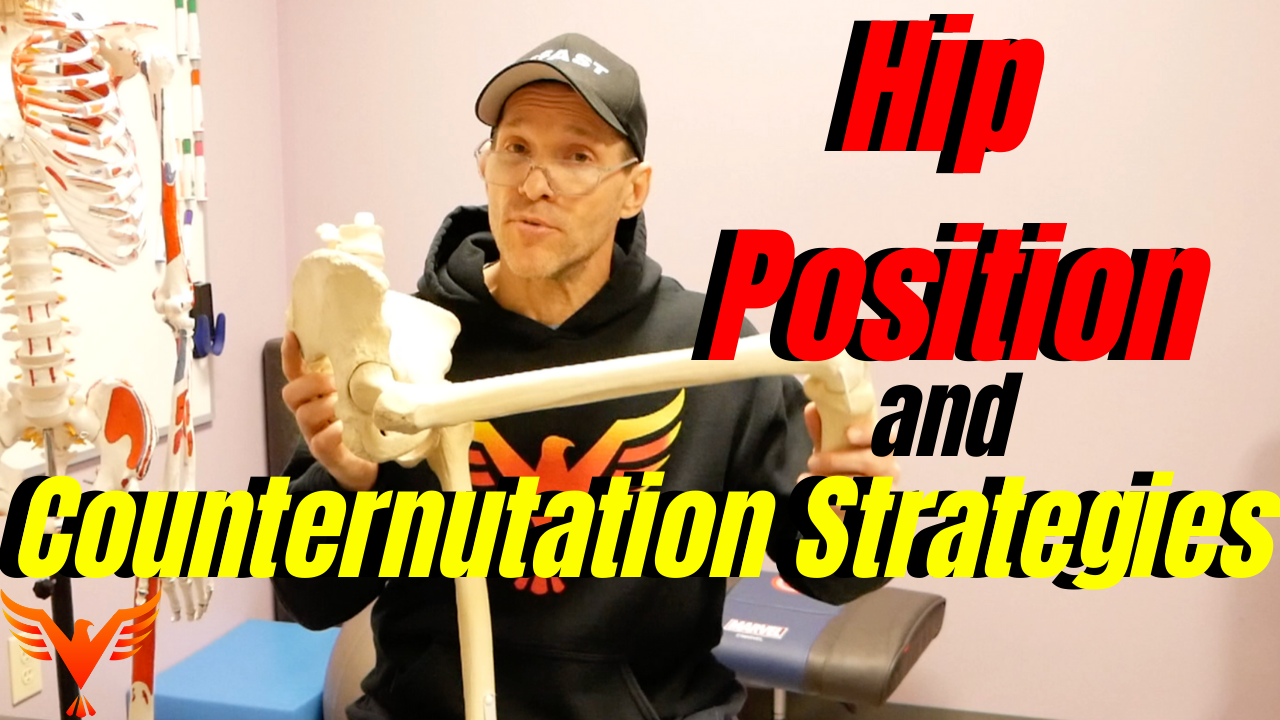
    Q & A for The 16%… Hip Position, Breathing, and Counternutation Strategies

    Question: If someone has a wide ISA and a nutated sacrum, in order to get the pelvis/spine into an inhalation position, would doing an exercise with the hips flexed at 90 degrees promote further sacrum couternutation?

    In this video, I’ll give you my answer and three examples.

    A couple of instructions:

    Heels-elevated toe touch:

    • Inhale before you bend
    • Exhale as you bend down
    • Inhale at the bottom
    • Exhale back up

    Heels-elevated goblet squat:

    • Inhale down into the squat
    • Exhale up

    #counternutation #breathingexercises #billhartmanpt


    Find Bill:

    Instagram

    Facebook

    Twitter

    LinkedIn

  • Q & A for the 16%… The Difference Between The Suitcase Carry vs. The Rack Carry

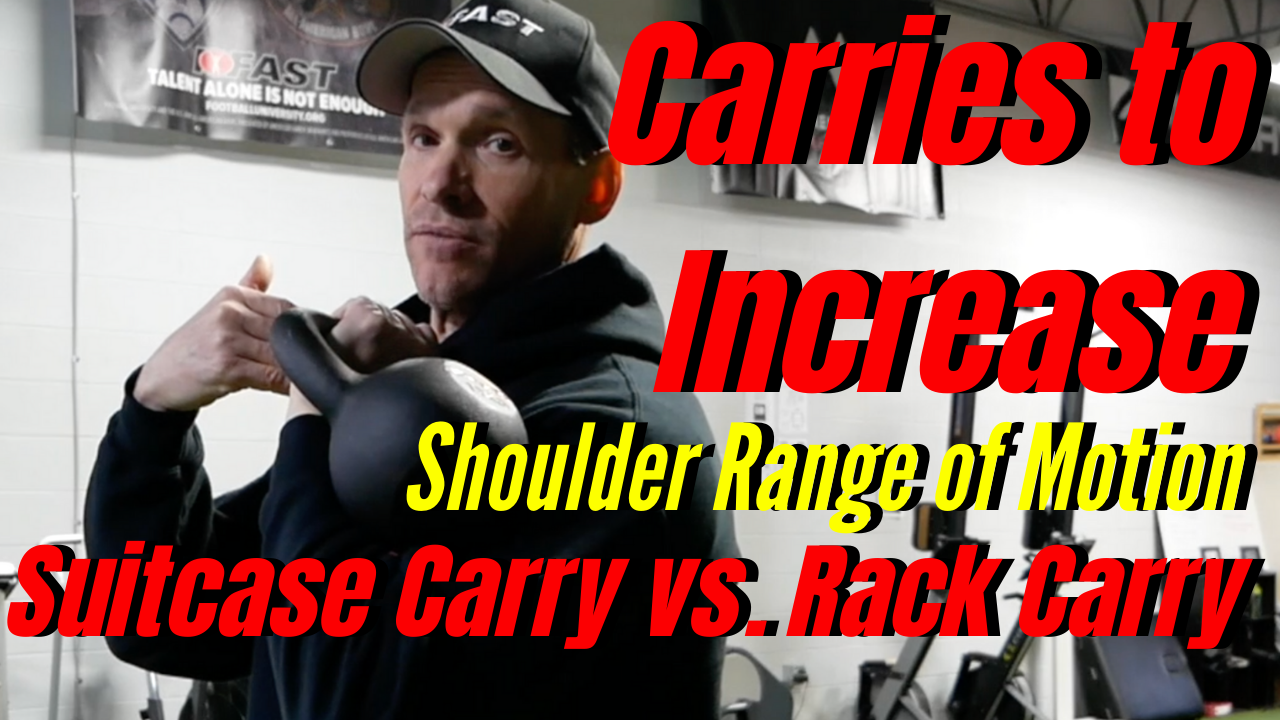
    Q & A for the 16%… The Difference Between The Suitcase Carry vs. The Rack Carry

    Question: Can you explain the difference between the Suitcase Carry vs. the Front Rack Carry for expansion strategies?

    Yes!

    Suitcase carry, rack carry, farmer’s carry, and waiter’s carry all have benefits and limitations. There are very distinct differences between the carrying variations that you can program to enhance breathing, thorax, pelvis, and axial skeletal expansion/inhalation strategies.

    This video takes a quick look at the suitcase carry vs. the rack carry to expand the thorax differently for different outcomes. #suitcasecarry #strongmantraining #billhartmanpt

    Find Bill:

    Instagram

    Facebook

    Twitter

    LinkedIn

  • Q & A for the 16%… Split squat breakdown for early, mid, and late propulsion

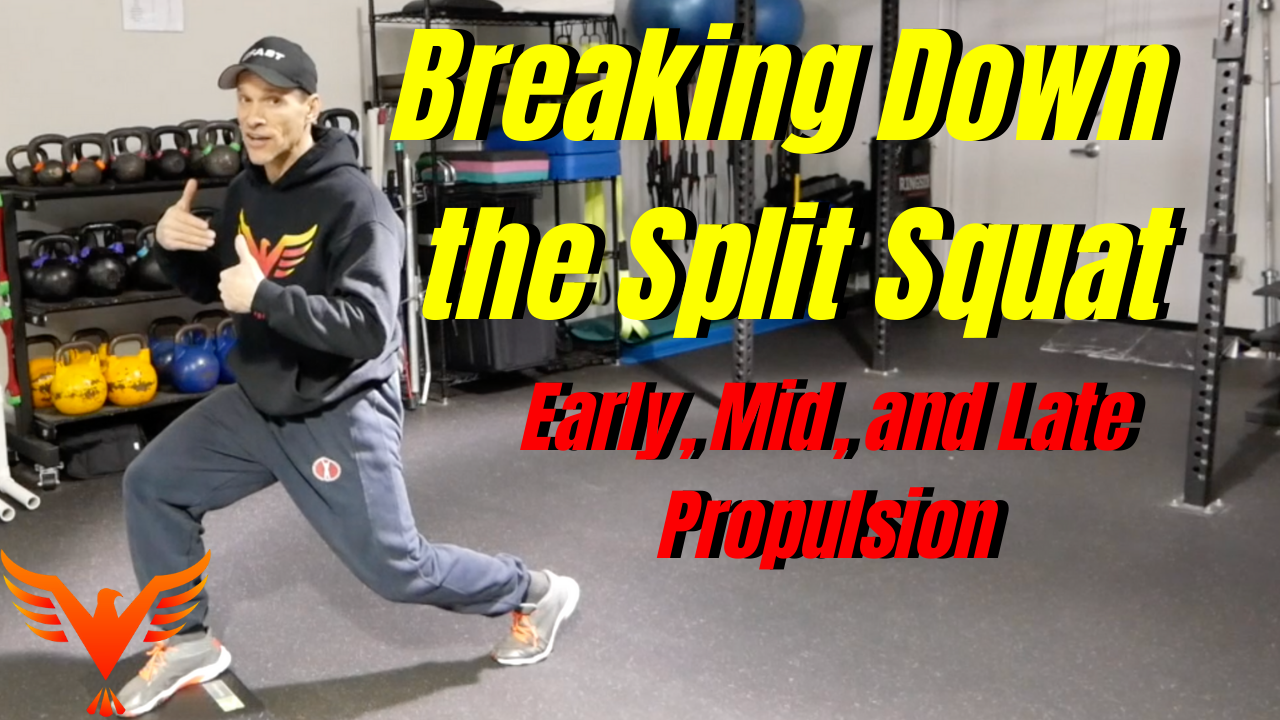
    Q & A for the 16%… Split squat breakdown for early, mid, and late propulsion

    Question: Could you run through some split squat variations and what strategies they bias eg. Front foot elevated, rear foot elevated etc. I watched your video on affecting the foot using a rear foot elevated split squat but didn’t fully understand the rationale?

    Here’s my answer and a demo of the foot as a representation of each phase of propulsion. #splitsquat #legworkout #propulsion

    Find Bill:

    Instagram

    Facebook

    Twitter

    LinkedIn