Author: Bill

  • My Current Program for Brain Health and Quality of Life

    My Current Program for Brain Health and Quality of Life

    “We must all wear out or rust out, every one of us.  My choice is to wear out”
     -Teddy Roosevelt

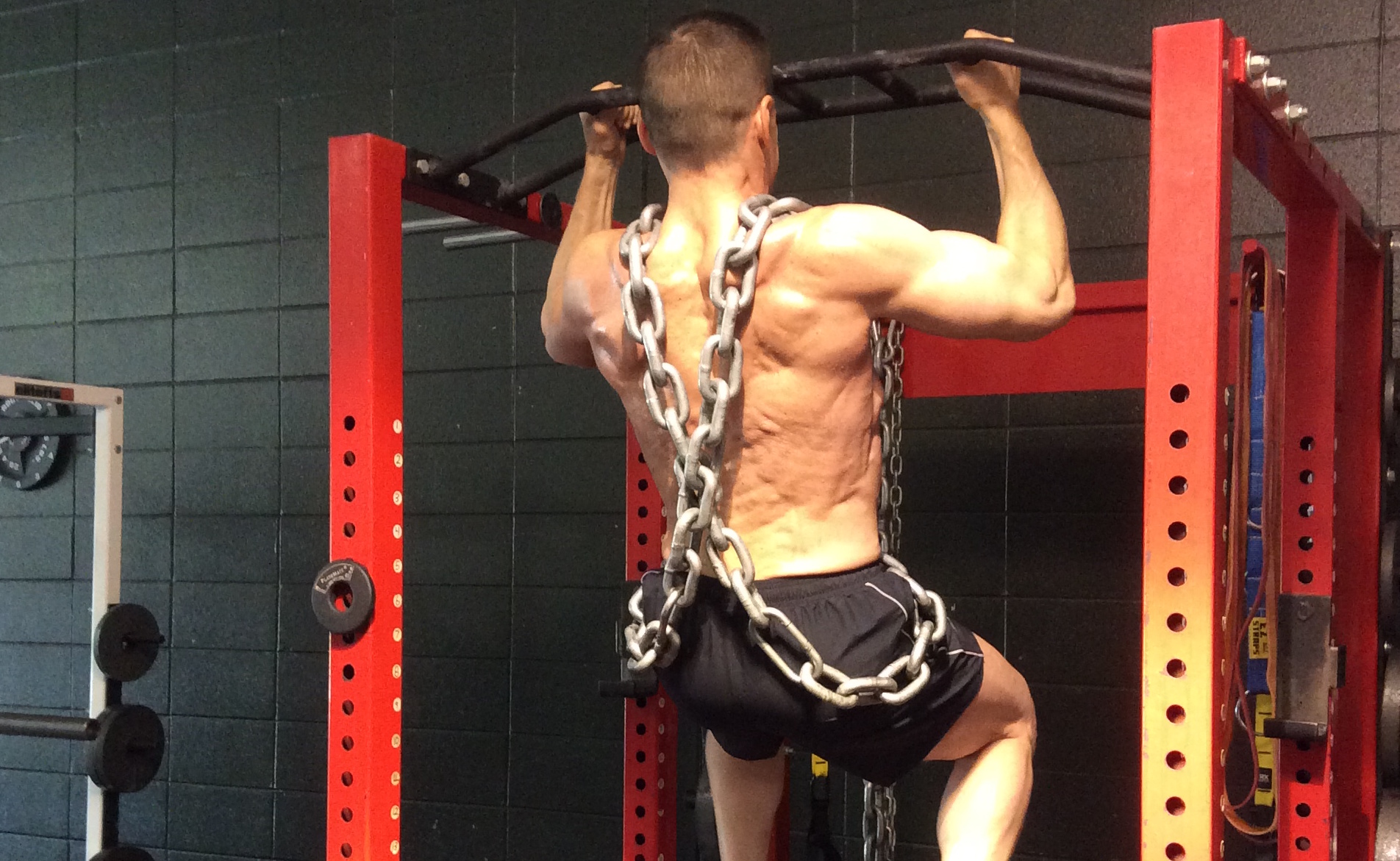
    Bill dip

    Our systems are well-designed to manage acute stressors.  These are the temporary mental or physical challenges that we face on a day-to-day basis.  These stressors actually promote a strengthening of our physiological systems and make us healthier.  Thank our prehistoric ancestors for this amazing gift.

    Unfortunately, in the present-day while we still face those occasional temporary stressors, but we also live in a world of chronic low and medium-grade stress that our ancestors could never have even imagined.  Job stress, poor sleep, traffic, post-sunset blue light exposure from computer screens and cell phones, and the constant chasing of the clock to get more done in less time flips the switch on our stress response all day, every day.

    Acute, short-term stressors enhance our memory and ability to learn by proliferating and strengthening connections in the brain.  Chronic stress increases inflammation and oxidation (the formation of free radicals) in the brain that promote a deterioration of these connections resulting in deterioration of memory and reducing our ability to learn.  This is oxidation is literally like rusting from the inside out.  Sorry, Teddy.

    As a health professional, I see how chronic stress negatively affects my clients’ ability to manage their personal health every day.  As a human, my quality of life is affected no less than that of my clients.  To assure that I promote optimal health in myself, I’ve established the following behavioral strategies in an effort to maximize my return on investment to maximize health and quality of life.

    1. Establish a lifestyle supported by proper nutrition.  This assures sufficient energy for brain and body regardless of your pursuits.  It promotes a healthy intestinal tract that directly feeds back to support the brain. It helps to control blood sugar that will influence my longevity. Additionally, I rarely overeat (except for the occasional eating contest with IFAST employees and interns… I’m 2-0 by the way) as this is a stressor, and I rarely drink alcohol (except for the occasional margarita from my favorite Mexican restaurant… Rocks, no salt!).
    2. Establish a pattern of sufficient sleep every night with consistent bed time and wake time. We need sleep and we tend to sacrifice it for other things.  Sleep time is when your brain cleans itself of plaques that promote degeneration and prunes the connections in your brain to solidify your new memories and enhance learning. My wake time is now 5 a.m. If you would have told me that I would be an early bird at any time in my life prior to now, I’d have laughed at you. Now I wake with more energy than I can remember in anticipation of a great day.
    3. Meditate every day.  It’s not just for the gurus sitting upon mountaintops in flowing robes.  Meditation actually enhances your ability to control your interpretation of the world around you to help manage and minimize negative stressors. I currently use the Headspace.com app.  I can put it on my phone as well for travel purposes and stay on top of this practice. I think it’s essential.  Meditation impacts every system of the body and provides an element of control for me. I’m less inclined to react emotionally to situations that I cannot control. I maintain the ability to think clearly in stressful situations.
    4. Exercise several times each week.  There is no better strategy to create an internal environment of overall health of every system in your body including brain health.  My aerobic sessions are designed to promote circulatory and cardiac benefits as well as promote the release of BDNF (Brain-Derived Neurotrophic Factor) which promotes the development of new neurons in my brain.  I currently do two intensive training sessions and two medium to easy session per week.  I also do breathing activities coupled with movement to maintain my mobility.  As I’ve aged, my ability to generate intensity has not declined, but my ability to recover has. It took me too long to recognize that resulting in some relatively permanent limitations and some chronic pain that I’m managing quite well, but again, I should have recognized this sooner.
    5. Learn something new every week.  As a health professional, one of my personal goals is to keep providing my brain with new stimuli to keep it growing and to enhance the connections that already exist.  I read widely and my wife and I have even taken dance lessons. Our brains were designed for movement.  Take advantage of that fact and don’t forget to play a little bit every day.
    6. Support each behavior with appropriate supplementation to enhance each behavior and fill in the gaps that arise when I’m not perfect.  And I’m not perfect, so I regularly seek out supplements to improve my intestinal health, quell undesirable inflammation, assure sufficient energy and development, and reduce oxidative damage to the cells in my body.

    Cerevan (full transparency, this is an affiliate link) is now an essential component of my behavioral program. There is no supplement that can take the place of my system of behaviors in promoting health of my body and brain, but Cerevan assures that I’m maximizing each and every aspect of my personalized brain health program every day. It’s a great anti-oxidant that will impact inflammation in my brain. My subjective opinion is that it is also providing an acute effect on my clarity of thought and memory. It’s a new addition, so I’ll see how it goes longer term.

    Neuro Coffee (affiliate link. Add coupon code IFASTPT and save 15% on your first order) is now a staple.  I was never a coffee drinker at all.  Never liked the taste.  I’ve been a green tea guy for quite some time, but this coffee provides a healthy dose of BDNF just like my exercise routine. I actually look forward to it every morning.  It is now the only source of caffeine in my program as well. I’ve eliminated all other stimulants from my behavioral program. Too much sympathetic nervous system stimulation may reduce my ability to manage systemic inflammation.

    Curcumin and an EPA/DHA supplement is also in my regimen to control systemic inflammation as I don’t like salmon, so the thought of eating it several times a week makes me gag. It reminds me of force feeding myself tuna because it was a cheap protein source when I was bodybuilding in college. The things you’ll do when motivation is high and funds are low. I’d rather swallow a couple of capsules and be done with it. Read more about it HERE.

    Berberine is something I’ve added recently to help manage blood sugar and to take advantage of some of the anti-inflammatory effect.  I’ll see how this goes, but it may be tough to measure the impact without sticking my fingers and measuring blood sugar directly. Tracking body composition may be a way to monitor it. Read about it HERE.

    This is a glimpse at my current plan. I’m sure it will change to some degree, but I think it’s pretty solid at this point.

    I’d rather wear out than rust out.


  • From my Notebook:  Complexity and Constraints

    From my Notebook: Complexity and Constraints

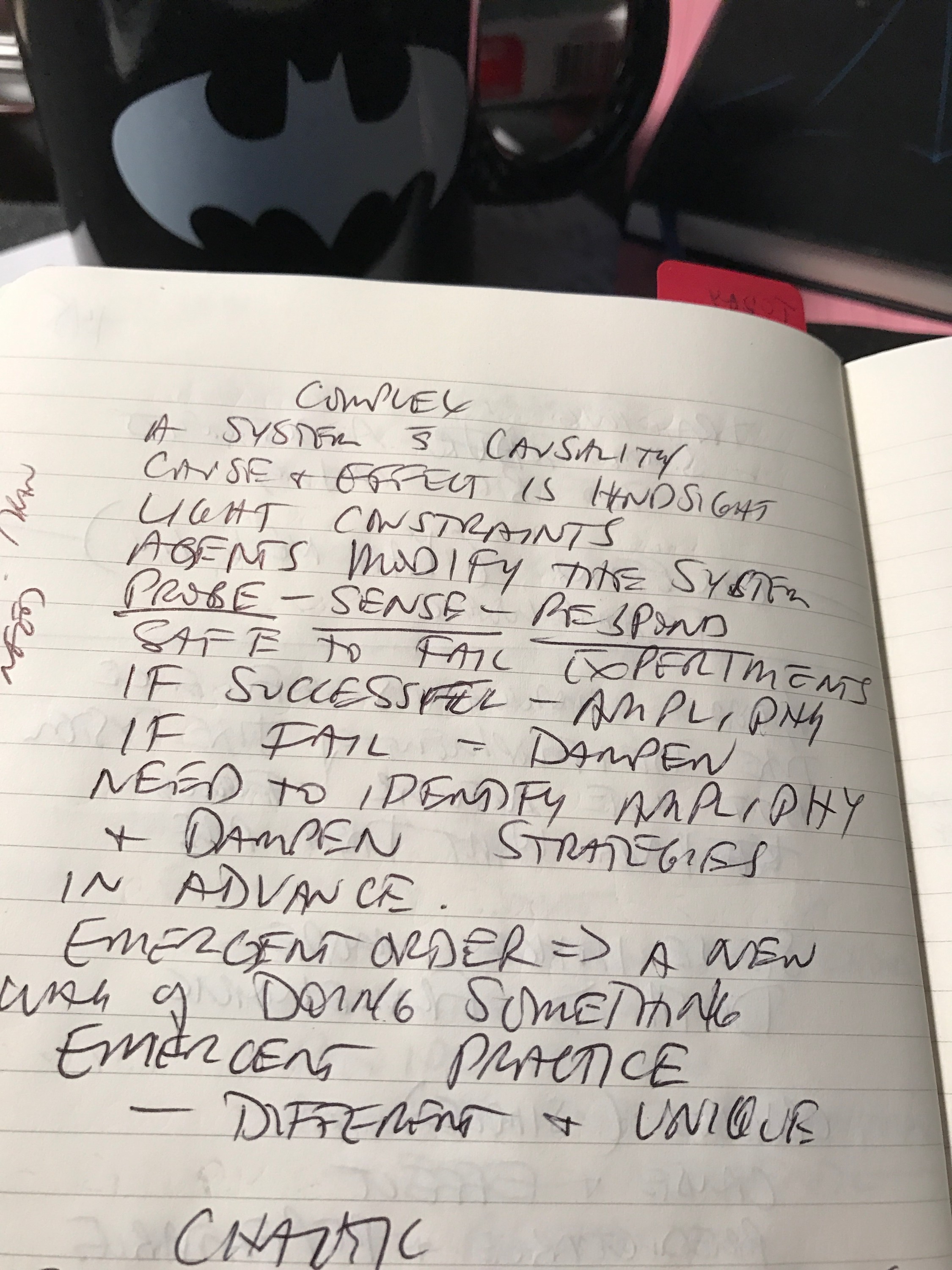
    IMG_3927

    “The only model of a complex system is the system itself.” – Gell-Mann

    The problem with human-based physical therapy research is that they keep using humans for subjects. – Me

    Problem:

    Humans are complex adaptive systems, so the system is modified by behaviors. (Newton’s 2nd Law puts us at a different starting point at every moment – keep this in mind)

    There is a non-linear relationship between cause and effect (Chaos)

    Complex adaptive systems (humans) sometimes demand unique and previously untested  methods to solve problems. That cannot be done without innovation.  Safe-to-fail (= do no harm = small strategic influences/changes) experiments are essential to solve problems and allow best practice to emerge (See Cynefin; Snowden for more on complexity and problem solving).

    We are dealing in the context of complexity = unknown unknowns.  Many times we really have no idea why a treatment works. It just does. Get comfortable with that.

    Many theories exist in solving complex problems because complex problems may have multiple successful solutions.  This is why we have unnecessary arguments over best practice. Many answers to the same question are possible but experience influences understanding and decisions.

    Retrospective Convergence = What got you here, won’t get you there

    Premature Convergence = Thinking you have a solution too soon and not leaving your options open

    Evaluate and Treat
    We must limit the constraints to identify the needs or elements of change.

    1. Describe the present

    2. Identify what can be changed

    3. Determine where you can monitor the impact of the intervention

    4. Where will the intervention produce a beneficial result

    5. If the result is not beneficial, how can I learn from it

    6. Move between the complex and complicated domains (constraints are more relaxed here to allow a new state to emerge – see Cynefin)

    7. As the new state emerges, increase constraints to exploit and magnify the result

    Is PT using a recipe book and creating cooks when they actually should be training students to be chefs? (modified for my use from Dave Snowden quote).  Maybe that’s my job. On it.

    Impact of Constraints

    Structural constraints (think anatomy) are relatively fixed and more difficult to change.  Change certainly occurs over time but as a result of the manipulation of functional constraints. We cannot focus efforts here as again they are a result.

    Functional constraints are malleable, changeable, and adaptable. Energy, ANS, Immune, Endocrine, Respiration, Circulation, Emotion, Experience, Understanding, Memories, etc.  These constraints are relaxed.  This is where we impact the system.  If you think you’re somehow treating a pathology (structural) as a PT, you’re probably wrong or you’re thinking like an orthopedic surgeon. Herein lies the disconnect between the surgeon and the therapist. PT’s live and work in the complex domain almost exclusively (throw in some complicated for good measure and comfort when we can) where input for the desired outcome is often unknown or inconsistent or idiosyncratic (n=1). The surgeon lives more in the complicated domain (more structural) where they do “fix” things (repair, reattach, realign, etc.). It’s okay if they don’t understand us. It is the result of experience and environment. Remember that.

    IMG_3925

    The motor system and other sensory/cognitive systems, either intentionally or unintentionally, are the inputs to impact the functional constraints and gain the often unpredictable output.

    Once the source of change is identified, narrow the focus to magnify the desired result or dampen the undesired result (Cynefin).

    It’s always n = 1.


  • From my notebook:  On Stability

    From my notebook: On Stability

    Perceived threat to a self-organizing system will result in simplification of the system to reduce degrees of freedom and response time while simultaneously sacrificing adaptability.

    Humans will shift into the sagittal plane to reduce the degrees of freedom to simplify movement creating a more stable state.

    This will reduce system complexity and cortical effort and energy demands to allow resources to shift toward generation of motor system output, energy, and effort expenditure.

    Simplification of movement may result in reduction of response time but sacrifices mobility in the planes of adaptability, frontal and transverse.

    Reduction of movement in the planes of adaptability increases sagittal plane forces of shear, impingement, and load.

    Under these circumstances expect increased symptoms of impingement (example:  extension-based back pain or ankle or hip impingement), shear (example:  pain with flexion or recovery from flexion), and load (example:  Achilles or patellar tendinopathy).

    The escape is compensatory adaptation that will occur in frontal and transverse plane structures.

    These compensatory adaptations may enhance performance (temporarily?) or result in pathology.

    Instability is underappreciated and of great value, and in some cases more valuable than mobility, in unpredictable environments.

    Mobility is not the opposite of stability as it can be demonstrated in stable states.

    The opposite of stability is instability.

    Stability in an unpredictable environment may lead to failure as stability may indicate a lack of adaptability.

    To be adaptable in a highly variable environment, a self-organizing system must be capable of instability in order to reorganize and adapt to another stable state or remain adaptable to change.

    Therefore, instability is not a bad thing as it depends on context.

    Instability is essential to remain adaptable to perturbation.

    If a tall building is too stable, the wind or vibration from the ground will break it.

    Instability provides variability.

    What is optimal depends on the environment and the task implying there is a sweet spot.

    Too much or too little variability at the wrong time, in the wrong place may result in failure.

    There is never one correct answer to what is optimal.

    “Be like water making its way through cracks. Do not be assertive, but adjust to the object, and you shall find a way around or through it. If nothing within you stays rigid, outward things will disclose themselves. 

    Empty your mind, be formless. Shapeless, like water. If you put water into a cup, it becomes the cup. You put water into a bottle and it becomes the bottle. You put it in a teapot, it becomes the teapot. Now, water can flow or it can crash. Be water, my friend.” 
    – Bruce Lee


  • IFAST University Coaching Interviews part 2

    IFAST University Coaching Interviews part 2

    Here’s another round of short Q & A’s with IFAST Family coaches and therapists. We talk about everything from when to train capacity in a rehab situation and when extension is a good thing to when to stretch and reconstructing a deadlift. Great Stuff!!

    Greg Spatz

    Doug Kechijian

    Trevor Rappa

    Mike Coval

    You can get much more delivered to you inbox every month at www.ifastuniversity.com

  • IFAST University Strength & Conditioning Coach Interviews

    IFAST University Strength & Conditioning Coach Interviews

    We had Joel Jamieson at IFAST recently to teach his BioForce Certified Conditioning Coach Course.  I took advantage of all the brain power in the room and took a great group of coaches into the purple room for some quick hitting Q & A segments.  Each interview is only a few minutes, but they are filled with gold.  Great advice from some of the best!  I’ve watched them all several times because they are just that good.


    Todd Bumgardner talking about coaching the hip hinge

    Joel Jamieson describing what conditioning really is

    Andy McCloy talking developing young athletes into pros

    Fred Eaves talking auto-regulatory training for high school athletes

    Anthony Donskov talking about setting the tone of the training environment and “Sweep the Sheds”

    More to come!