Category: Professional Mentorship

  • Movement and Pressure

    Movement is pressure management. This video I shot of our local Tube Man is representative of this thought.

    He dances by altering his internal pressure.

    We create internal forces via fluid (air or water) pressure to overcome the forces that are applied against us such as training loads, ground reaction forces, and gravity. If we didn’t produce pressure internally, we’d most likely collapse and be stuck with the movement capabilities of a boneless chicken.

    The greater our ability to manipulate the internal pressures regardless of the task, the greater our tendency to move well or accomplish a task. When we fail to shift or manipulate the internal pressures, movement is restricted or biased.

    Either we simply cannot execute a task effectively or we may be limited to such a degree that we lose the ability to dissipate or distribute stress, tension, or pressure throughout the body. In this case, focal pressure and tensions may result in pain. Ask any couch potato how their back could just start hurting for no reason.

    Remember the last time you had to sit on an uncomfortable chair for an extended period of time and your butt started to hurt. Too much pressure in one place for too long. Pain can simply be the same problem.

    Performance training, or just intensive exercise training over a long period of time, can intentionally bias how we manage pressure as it may enhance the intended outcome for a specific sport. Generally speaking, this can be seen at the highest level of sport quite effectively as certain body types tend to be more effective at producing these biased pressures for a successful sports outcome.

    Olympic swimmers are built similarly as it makes them more efficient in the water. Powerlifters look the same as it enhances their stability under incredibly heavy barbells. Offensive lineman tend to be built differently from wide receivers, quarterbacks, or running backs. Form follows function.

    Before you start yanking and pulling muscles that you blame for a lack flexibility or perform some silly “activation” or isolated exercise to strengthen [insert muscle of blame], consider how we manage internal pressures first.
     

  • Student Lesson… How to Prepare to Argue Your Point

    It’s okay to disagree. We can all have an opinion or a point of view.

    As a Padawan, what’s the best way to argue your point or to speak against an idea or concept?

    Here’s my answer in 90 seconds.


  • Video Call Highlights

    Video Call Highlights

    A few former Padawan’s, now colleagues, and I got together this past weekend to catch up and refine The Model. The range of topics covered a case study as well as discussing movement from the most micro of structure to the macro of movement. Fun stuff. Here’s a few nuggets.

  • Why Joints Don’t Squeak

    Why Joints Don’t Squeak

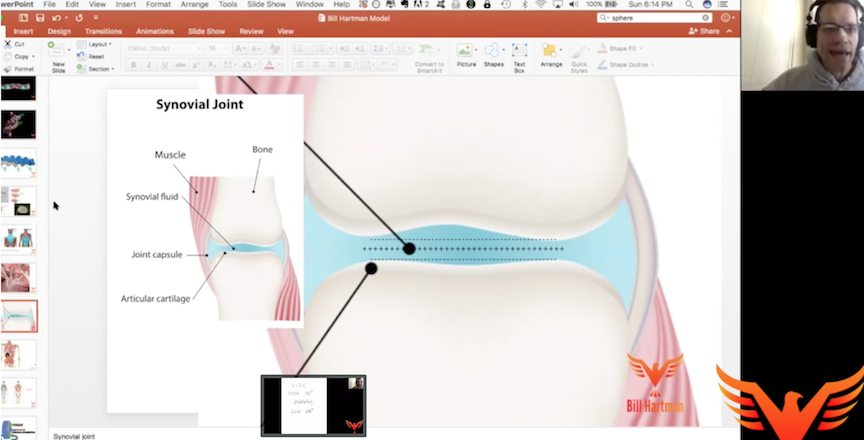
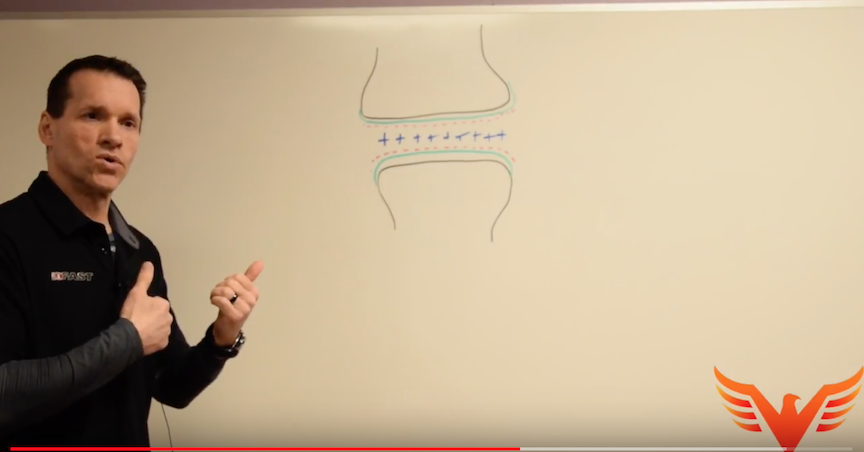
    I’ve been fascinated with water since reading Gerald Pollack’s The Fourth Phase of Water. It’s properties answer a lot of questions in regard to how our body behaves from the cellular level on up to complex movements. We had a discussion in the purple room about some of these properties and how it influences synovial joint behavior. I’ve also included Gerald Pollack’s TEDx talk that may be helpful in understanding some of these amazing properties of water.


  • Two Strategies to Get Things Done

    Two Strategies to Get Things Done

    Lately, I seem to be very busy but not getting as much done as I’d like.

    We don’t benefit from just being busy.

    We benefit from getting things done. It is the completion of tasks that make the difference.

    Seeing as we are three days into the 2nd quarter of 2018, I thought it would be a good idea to talk strategies to getting more things done.

    There are two strategies that I fall back on when I’m challenged by the dislike of having to perform certain tasks.

    Eating frogs or making snowballs.

    Eating frogs comes from Brian Tracy.

    “If the first thing you do each morning is to eat a live frog, you can go through the day with the satisfaction of knowing that that is probably the worst thing that is going to happen to you all day.”
    -From Eat That Frog:  21 Great Ways to Stop Procrastinating

    The frog is the most important task that you need to complete, but because of it’s perceived demand, it’s also something you’ll most likely procrastinate on.

    Perhaps you’re having trouble getting your workouts complete each week.

    You can “eat the frog” by getting up early and going to the gym first thing. Workout completed and the rest of the day is easier because you’ll no long worry about getting it done.

    Got a big project due? Do it first thing in your workday. Task completed. The rest of the day is easy.

    The second strategy is The Snowball Method.

    This is actually based on a debt reduction strategy promoted by Dave Ramsey where you pay off the smallest debt first and then the next largest and so on, but you can modify it to any behavior modification challenge you’re facing.

    The idea is that you address the low hanging fruit of your behaviors first. Do something small, simple, and measurable toward your goals.

    By doing to something that is favorable toward a goal, you’ll get a little hit of dopamine, your reward neurotransmitter in your brain. Dopamine feels good.

    Just packing your gym bag and taking it with you in the morning makes it more you’ll hit the gym on the way home.

    Writing out your education goals for the year can get you on track to move your forward from a professional standpoint.

    Now that you’re looking for your next hit of dopamine, you’re more likely do the next thing that is required for you to hit your goal.

    Over time, your behaviors become like a snowball rolling down hill and accumulating more snow and growing until you’ve amassed a number of consistent behaviors that support you goal-directed efforts.

    I can’t say that one is more powerful than the other, but I’ve used both successfully. The key is to take some form of action, right or wrong. Act.

    Your comeback starts today.