Category: Professional Mentorship

  • How to Mobilize the Ankle to Increase Propulsion

    How to Mobilize the Ankle to Increase Propulsion

    Pronation of the ankle/foot has often been expressed as something that may be unfavorable. Shoes to limit pronation have been constructed to attempt to reduce pronation.

    The reality is that a pronated foot is a propulsive foot that we require to produce force into the ground to prevent collapse. It is merely excessive pronation that we want to avoid, manage, or control.

    Athletes and clients with the perception of weak ankles, ankle instability, or ongoing ankle pain often have difficulty recapturing the position of the propulsive foot. In this video, I’ll show you a “Big Bang” ankle and foot mobilization to improve calcaneal eversion, subtalar pronation, and midtarsal mobility while simultaneously feeding back positional information to the lower extremity and axial skeleton.


    #pronation #propulsion #billhartmanpt


    Find Bill:
    Instagram

    Facebook

    Twitter

    LinkedIn


  • How to Measure the Infrasternal Angle to determine a Wide ISA or a Narrow ISA

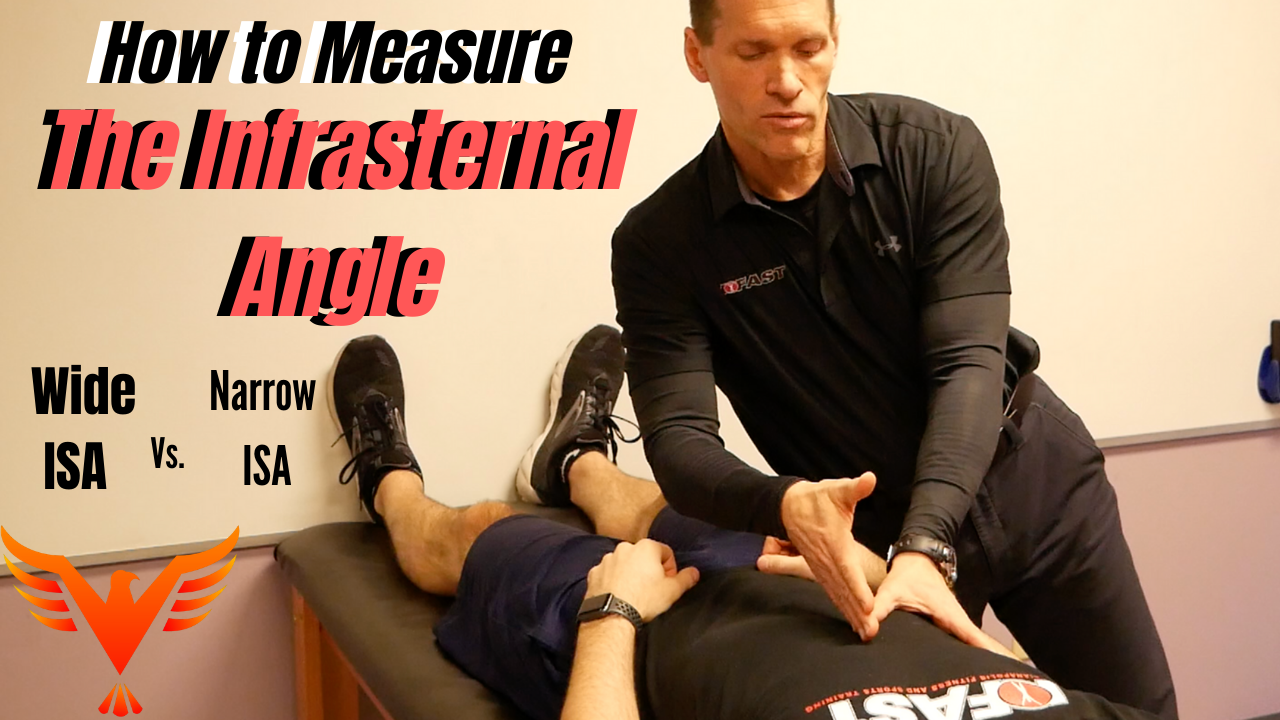
    How to Measure the Infrasternal Angle to determine a Wide ISA or a Narrow ISA

    The infrasternal angle is a useful test to determine breathing compensatory strategies that influence movement capabilities. Your ability to measure it effectively will provide understanding and guidance as to the best interventions to impact a client’s movement.

    Find Bill:

    Instagram

    Facebook

    Twitter

    LinkedIn


    #infrasternalangle #wideISA #billhartmanpt

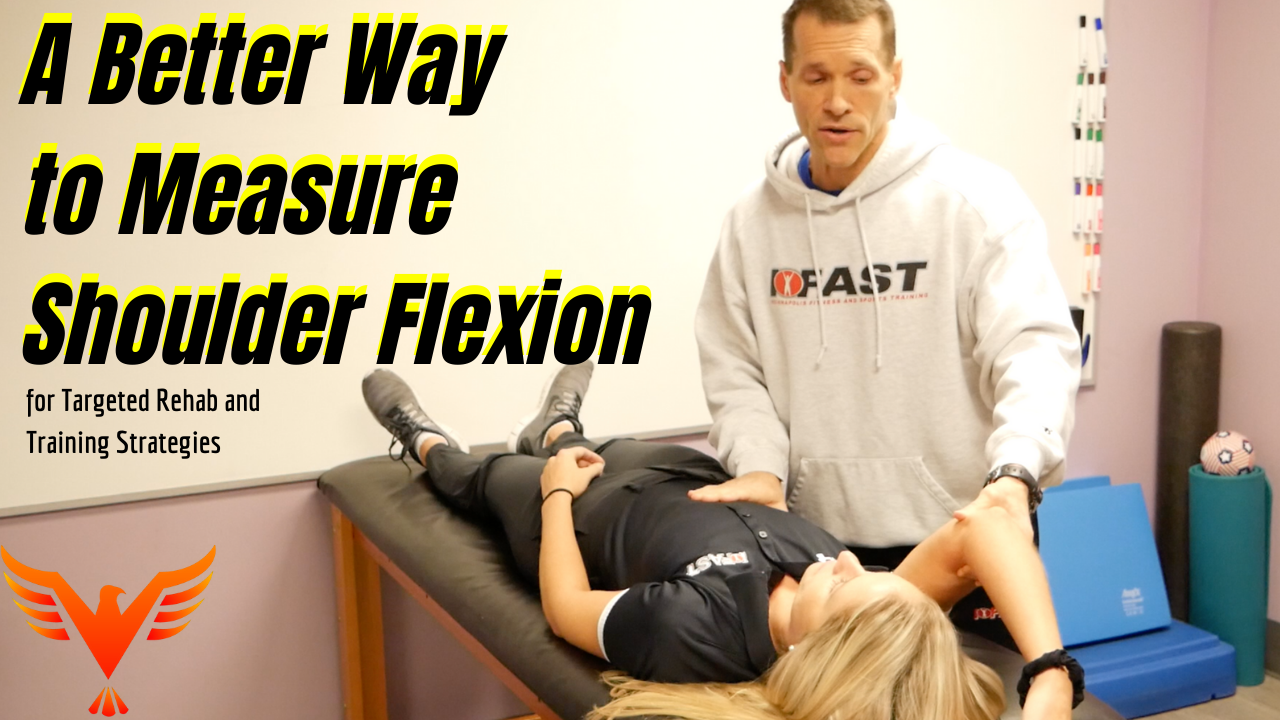
  • A Better Way to Measure Shoulder Flexion to Target Rehab and Training Strategies

    A Better Way to Measure Shoulder Flexion to Target Rehab and Training Strategies

    Thinking in straight planes like shoulder flexion is misguided.

    We need to think differently about how movements are achieved.

    Shoulder flexion involves a great deal of shoulder rotation. If this rotation is not accounted for in the measurement, you’ll fail to succeed quickly and you may even select the wrong shoulder rehab exercises or strategy that you need to resolve your client’s issues.

    Controlling shoulder rotation during your shoulder flexion measure and understanding the relative motions required for shoulder flexion makes all the difference.

    If you don’t have a treatment table or someone to measure your shoulder flexion, I’ve included a simple shoulder flexion self-test you can use to gauge your own progress.

    askbillhartman@gmail.com

    Find Bill:

    Instagram

    Facebook

    Twitter

    LinkedIn

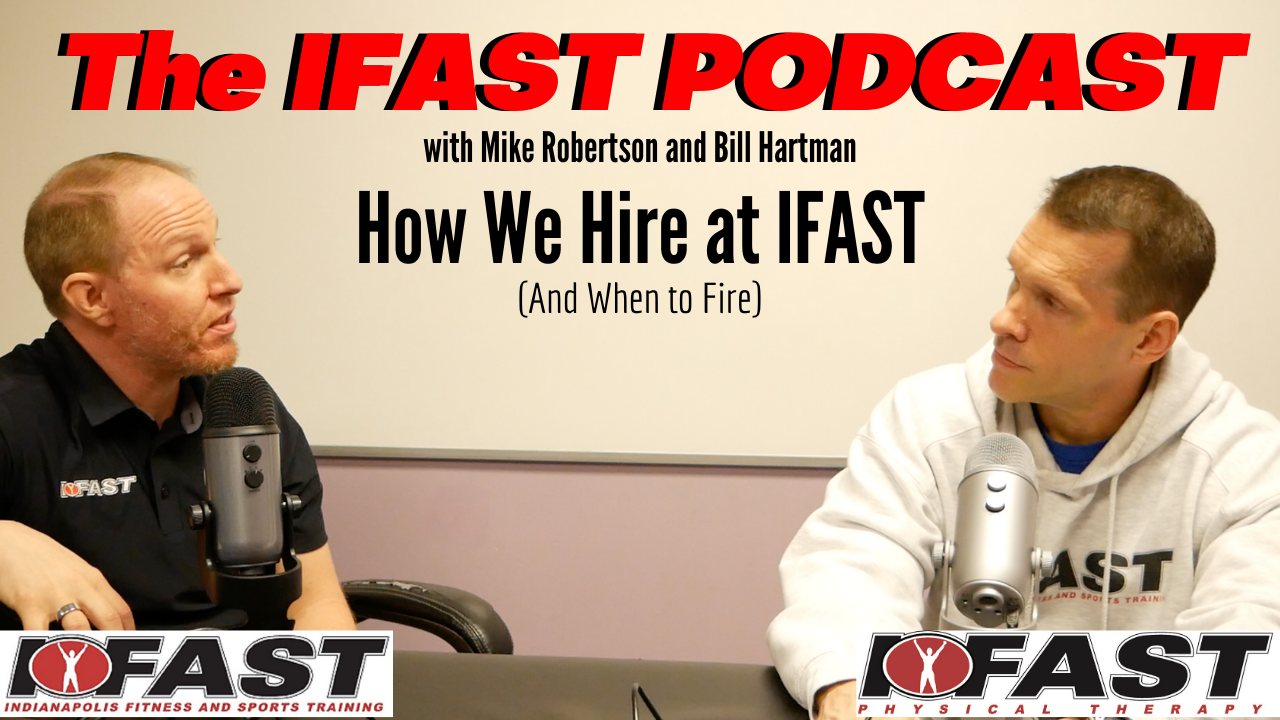
  • The IFAST Podcast #3 with Mike Robertson and Bill Hartman – How We Hire at IFAST (and When to Fire)

    The IFAST Podcast #3 with Mike Robertson and Bill Hartman – How We Hire at IFAST (and When to Fire)

    How do you know when to hire a new employee?
    Where do we get the best coaches in the industry?

    IFAST (Indianapolis Fitness and Sports Training) in known for developing some of the best Strength and Conditioning and Fitness coaches and in the fitness industry.

    Many of our interns and former coaches now hold positions in professional sports (NBA, MLB, and the NHL) as well as building their own successful businesses.

    We’ve been quite lucky that almost all of our employees were developed through the IFAST Internship program.

    Here’s how we do it from hiring to, unfortunately, firing when it’s best for the IFAST culture.

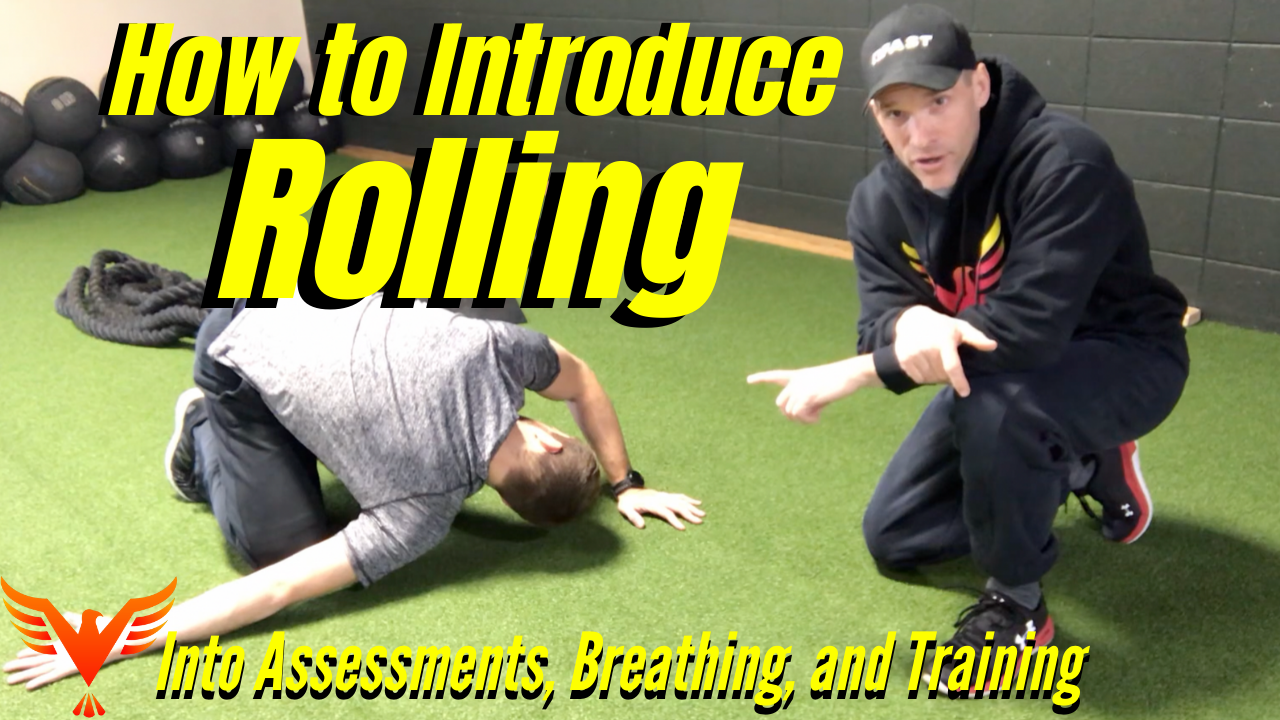
  • How to Introduce Rolling into Assessment, Breathing Exercises, and Training

    How to Introduce Rolling into Assessment, Breathing Exercises, and Training

    Rolling patterns are nothing new, but a perspective on what’s required to roll effectively can be used as part of your assessment process, rehab, or training.

    By introducing effective rolling into a program, you can save a lot to time by taking advantage of rolling to restore and enhance mobility of thorax and pelvis. This also promotes improvements in shoulder and hip mobility as well as enhancing inhalation and exhalation capabilities for those that may be using compensatory breathing strategies that interfere with normal movement.

    Please be careful as rolling patterns are not for everyone. Start simply. Progress gradually just as you would for any new activity.

    Find Bill:

    Instagram

    Facebook

    Twitter

    LinkedIn