The ability to control and manipulate the pressures inside your body allow you to work against the external forces associated with gravity and those created by the demands of the task at hand in any daily or athletic movement. The better we are at pressure control, the better we tend to move.
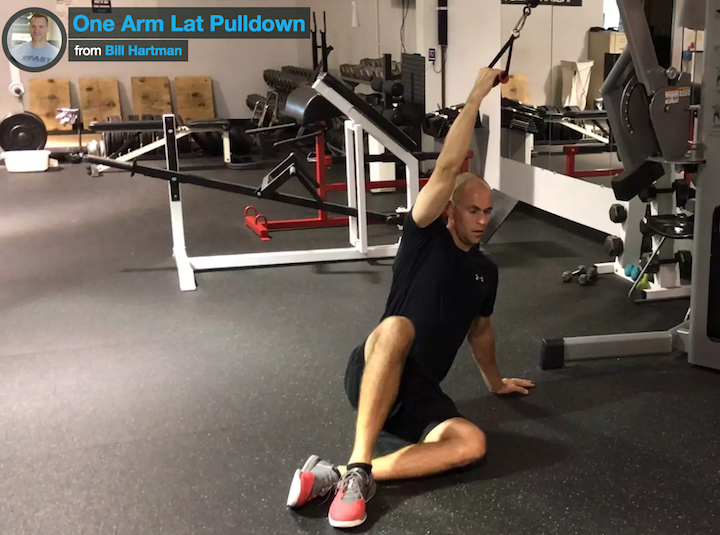
Asymmetrical and unilateral movements are great ways to learn how to manage positions and alter our internal pressure control. I’ve been using one arm pulldown variations for some time [the first video dates back to 2010 in the old IFAST 1.0!].
Depending on your capabilities, you can provide progressive levels of demand by removing support gradually as you’re better able to control position.
Here’s a 3-step sequence that you may find useful.
This version uses the full support of an inclined bench to allow focus on the pulldown side mechanics. Inhale on the reach overhead, exhale on the pull.
Moving to a mature oblique sit position still provides a broad base of support but increases demand on the support side of the trunk to control pressure in the thorax and the abdomen.
Finally, you can further increase demands on control and stability by coming to half-kneeling. This may be used as a precursor to split stance or lunging variations or to develop rotation through the trunk.
Models: Zac Moore and Ty Terrell
Videos shot at Indianapolis Fitness and Sport Training, Indianapolis, Indiana, ifastonline.com
A few former Padawan’s, now colleagues, and I got together this past weekend to catch up and refine The Model. The range of topics covered a case study as well as discussing movement from the most micro of structure to the macro of movement. Fun stuff. Here’s a few nuggets.
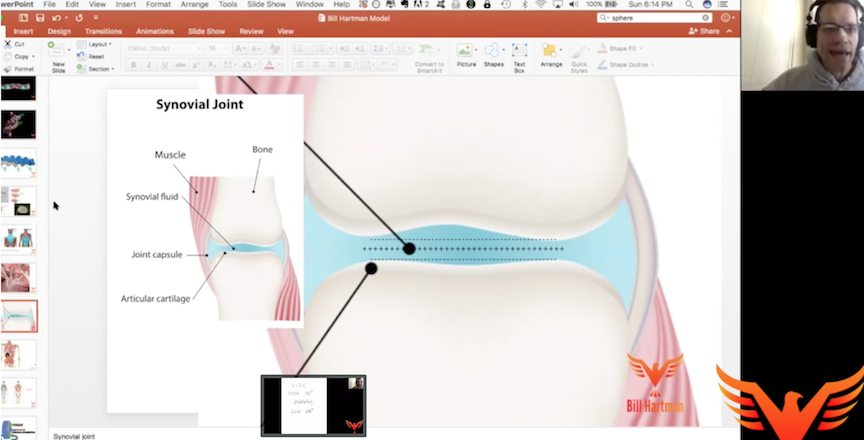
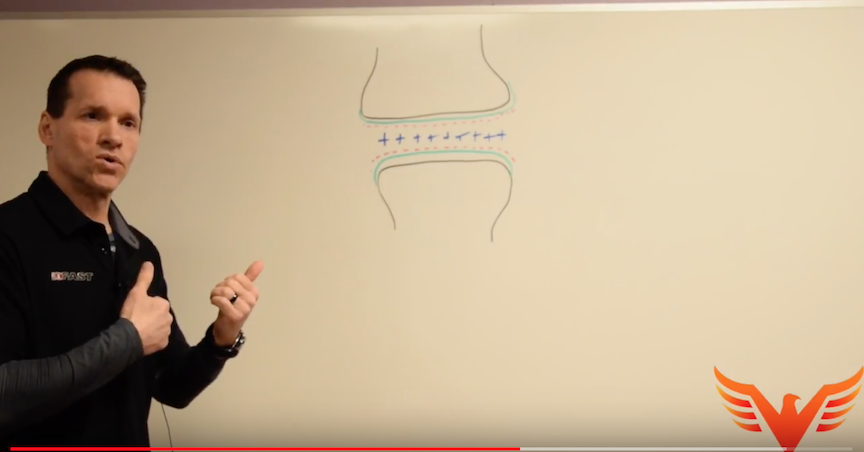
I’ve been fascinated with water since reading Gerald Pollack’s TheFourth Phase of Water. It’s properties answer a lot of questions in regard to how our body behaves from the cellular level on up to complex movements. We had a discussion in the purple room about some of these properties and how it influences synovial joint behavior. I’ve also included Gerald Pollack’s TEDx talk that may be helpful in understanding some of these amazing properties of water.
I can assure you with relative confidence that today will not go as planned.
Someone will interrupt your productive time. You’ll get distracted from your task at hand. Your work will take longer than expected. Someone else will be using the piece of equipment that you need at the gym. You’ll forget your prepacked lunch.
In the immortal words of John McClain…
You’ve got two choices. You can succumb to fate and give in, or you can go with your contingency plan.
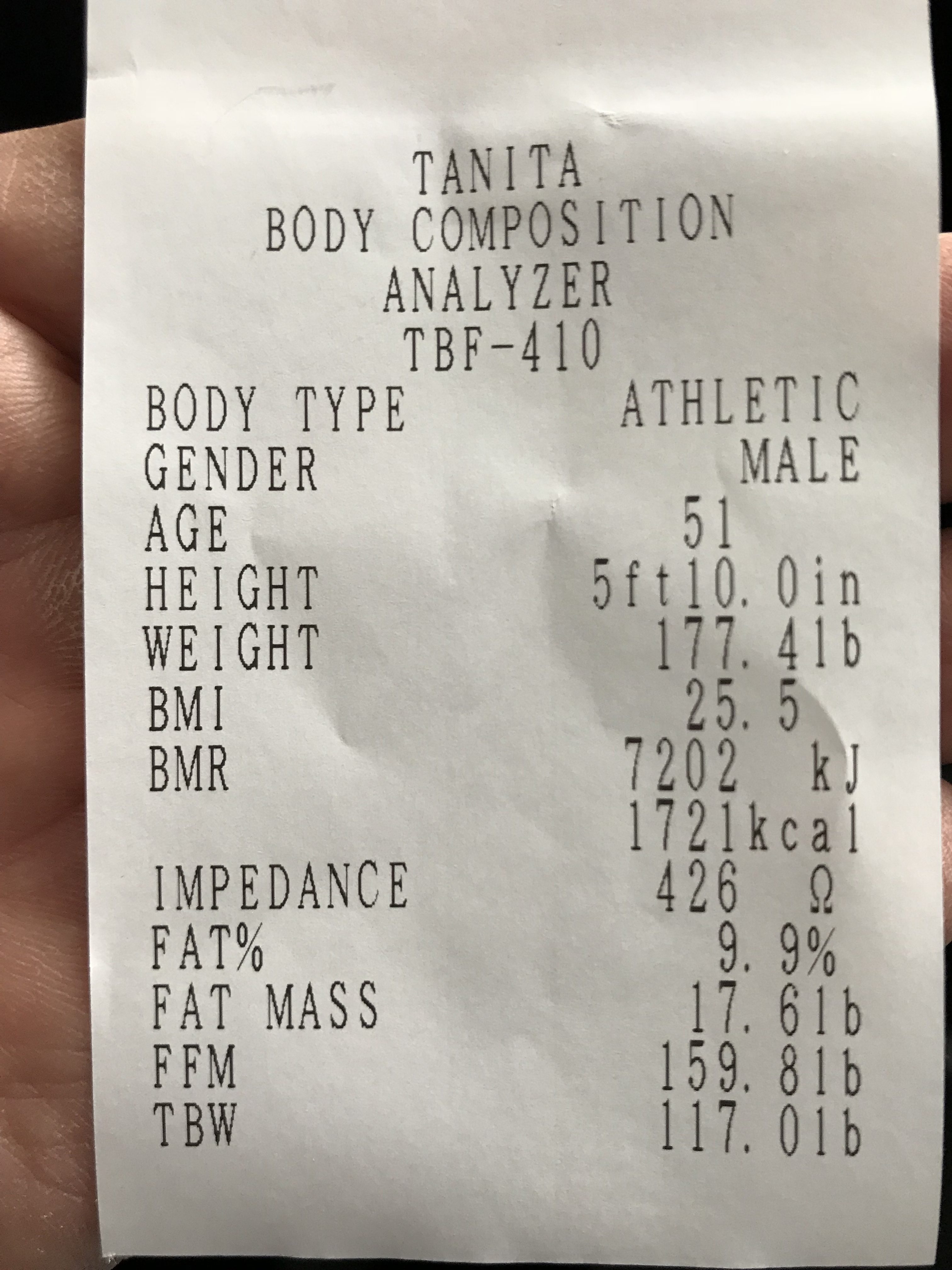
For almost 2 years now, I’ve been hanging in and around single digit body fat. I don’t offer this as a humble brag, but rather, an indication of how consistency plays into your success in transforming your body, overcoming pain, and generally having the life you imagine possible.
Rest assured that things didn’t go as planned over the last 2 years.
I forgot my lunch too many times. I missed a couple of workouts (maybe more than that). I had to travel a few times which disturbed by schedule. I ate too much on several occasions.
However, I overcame the known and the unforeseen circumstances with contingency plans.
I forgot my lunch
I have fall backs or “nutrition audibles” as Dr. Mike calls them. My go to lunch when I’m in a pinch is hardboiled eggs and cashews. I actually enjoy this regularly anyway. Most grocery stores have hardboiled eggs ready and waiting. Nuts and seeds are easy to carry. I’ve also relied on chicken jerky during travel times or when I’m hunting for a protein source for a meal.
I ate too much
I used to beat myself up about this. Every once in a while, I like to relax and not worry about calorie counts and macronutrient profiles. We call it Thursday night at our favorite Mexican restaurant with the Family. Occasionally, I have to put an intern in their place in regard to an eating contest. I’m 2-0 by the way.
When I know that I’m going to relax my eating habits for a meal, I’ll plan a little ahead and eat a little less during the day to give myself some extra calories to play with for dinner. I may compensate a little the next day as an alternative strategy. Basically, I’m looking at long-term averages over the acute one meal scenario. I’m not looking for perfect. Perhaps more of an “A-minus” on the grading scale. Just do a little damage control and not get bent out of shape about it.
I don’t have a gym available
If I know I won’t have time to get to the gym or there’s simply just not one available when I travel, I still have body weight and simple movement at my disposal. Push-ups, squats, lunges, jumping jacks, resets, breathing exercises, etc., can still be completed even if it’s just a short workout in my hotel room.
I’m out of time
It usually take me about an hour-ish to complete my typical workout from start to finish. If I’m short on time, however, there’s no way I’ll get everything completed as planned. That’s no excuse for not getting some work done however. My workouts are designed with priorities in mind. The most important and impactful elements of my program come first in the workout. Resets and movement-based activities come first, then primary exercises that maintain muscle mass and stress tolerance, then secondary and supplementary exercises. By arranging things in this manner, I can adapt my workouts to the time available and still be productive.
The key is to have your contingencies ready to implement when they are necessary. It is the consistency over the long-term that will ultimately bring you success.
Get out your notebook and start planning your contingencies. Today may not go exactly as planned.
A client came into the purple room yesterday a little disappointed. It went something like this.
Bill: What’s your status?
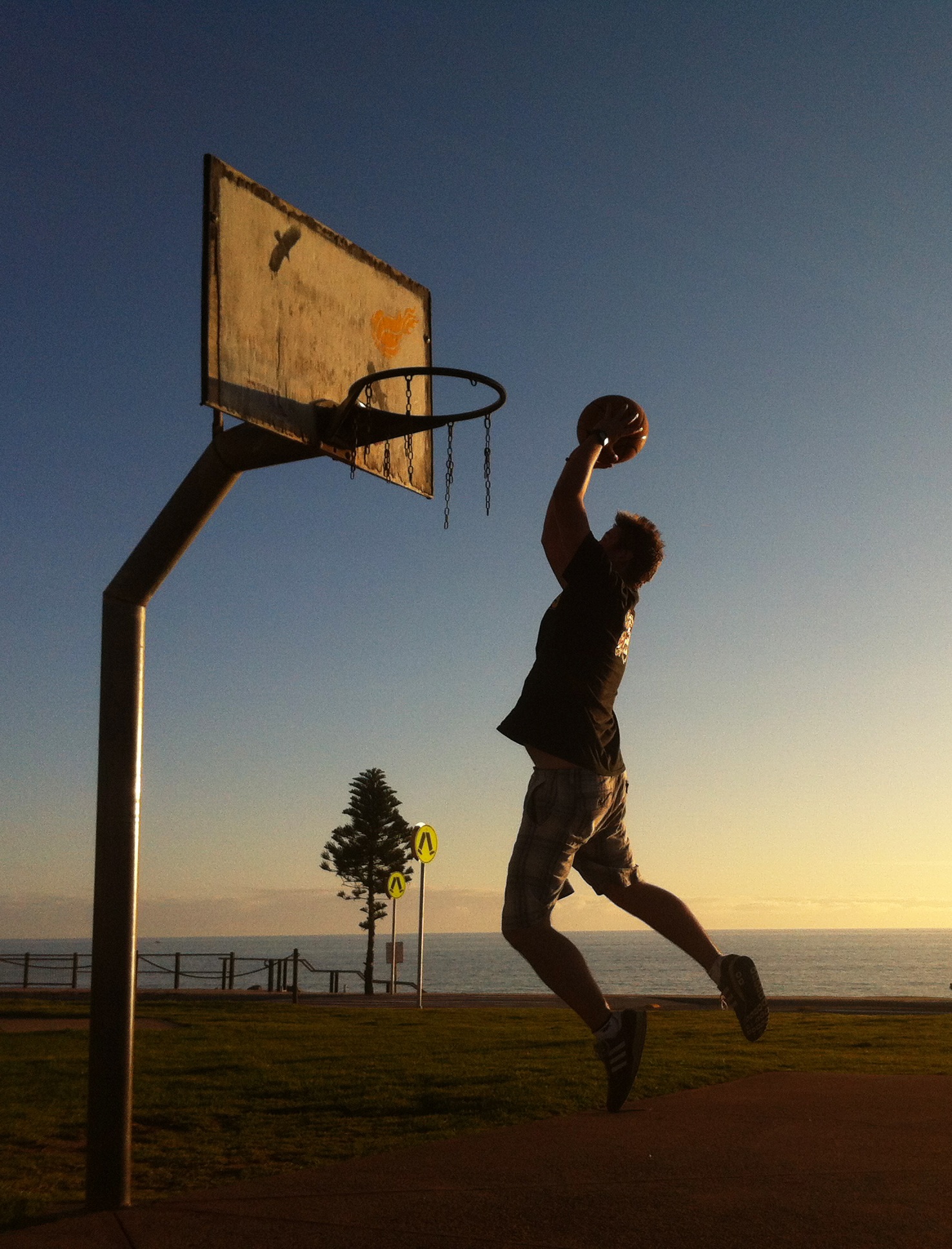
Client: I was doing great. I’ve been waking up without pain. My back and hip were doing so well, I decide to play some basketball. I was able to play pretty hard and felt good while I was playing, and then I paid for it the next two days with a lot of the hip and back pain.
Bill: [eyebrow lift and head tilt]
Client: Yeah, it was probably too much too soon, eh? I get it.
Lesson learned.
One of the key principles I always mention to patients and clients (and can also be found in All Gain, No Pain) is that we never lose the ability to generate intensity, but intensity places demands on our resources and comes at a cost.
Dipping too deeply into the stress bucket, and you’ll be drawing on those resources you’ll need to recover from stressors and activities. If you’re now lacking the capacity to recover (aka lacking resilience), you man find yourself feeling less than optimal until you can restore those resources via sleep, meditation, breathing resets, nutrition, etc.
It is a rare occasion that the body benefits from being “shocked” into a favorable growth-related change for the better. In fact, let’s make that never just to be safe. Consider how easily you adapt to a one hour time zone change compared to a three hour jump in time zones. You may see by the clock that it’s time for sleep, but if your brain says it’s used to being awake now, your brain will most likely win.
Small, incremental changes allows the body to adapt to stressors without placing overwhelming demand on your resources that set you back.
Think along the line of getting one more rep, putting a few more pounds on the bar, increasing your capacity workout time by a few minutes, cutting a couple hundred calories this week, and so on.
No Pain Sub-Principle: Take the next logical step
Taking the next logical step requires that your thinking, logical brain win over the emotional areas of the brain. When our emotional brain says “Go for it!” we must let our thinking brain step in and say “Wait a minute, what’s the next logic step here?”
We can still be progressive in our approach, but we must use the same logic that we use when we dip our toe in the pool to test the temperature of the water before we jump in.
We must be prepared for the demands of what we are about to experience.