Author: Bill

  • Coffee ‘n’ Coaches Conference Call – 5-14-20 – billhartmanpt.com

    Coffee ‘n’ Coaches Conference Call – 5-14-20 – billhartmanpt.com

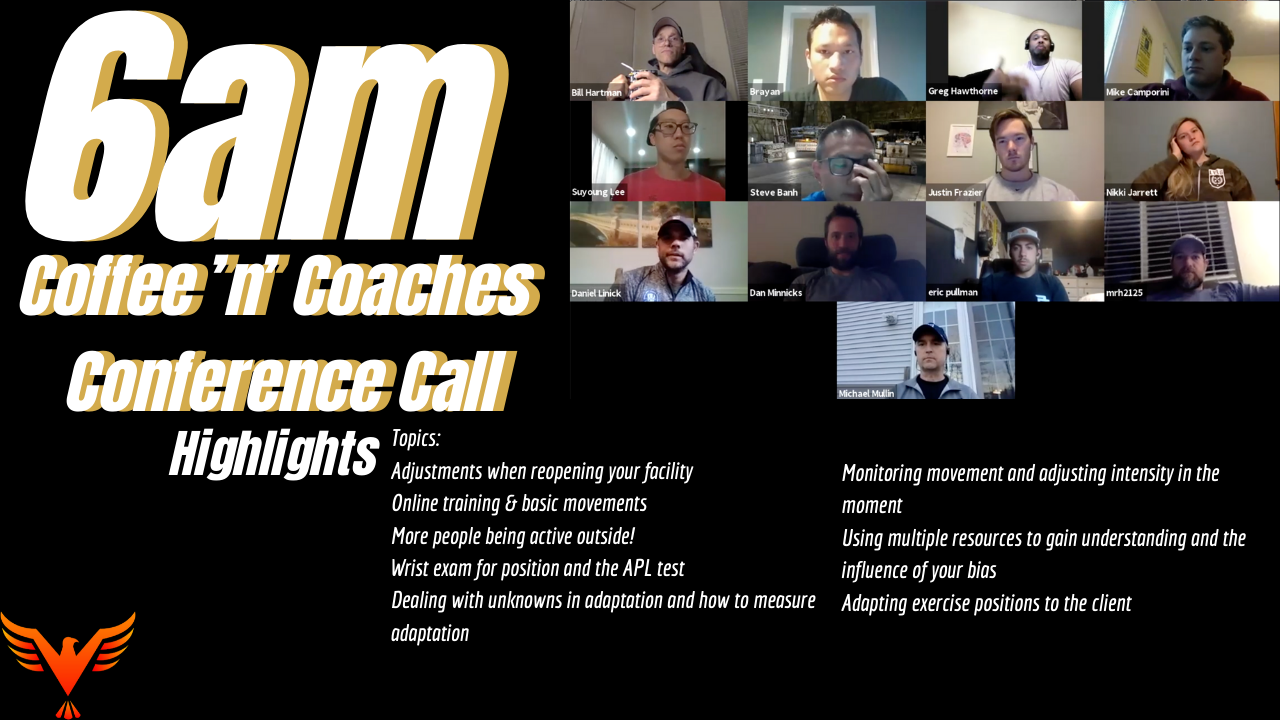
    I have my @neurocoffee and a great group of coaches showed up for our 6am Thursday Zoom call.

    Topics:

    Adjustments when reopening your facility
    Online training & basic movements
    More people being active outside
    Wrist exam for position and the APL test
    Dealing with unknowns in adaptation and how to measure adaptation
    Monitoring movement and adjusting intensity in the moment
    Using multiple resources to gain understanding and the influence of your bias
    Adapting exercise positions to the client

    #morningcoffee #zoom #billhartmanpt

    Find Bill:
    Instagram

    Facebook

    Twitter

    LinkedIn

  • Q & A for The 16% – Training for Compressive Strategies in a Wide ISA Client

    Q & A for The 16% – Training for Compressive Strategies in a Wide ISA Client

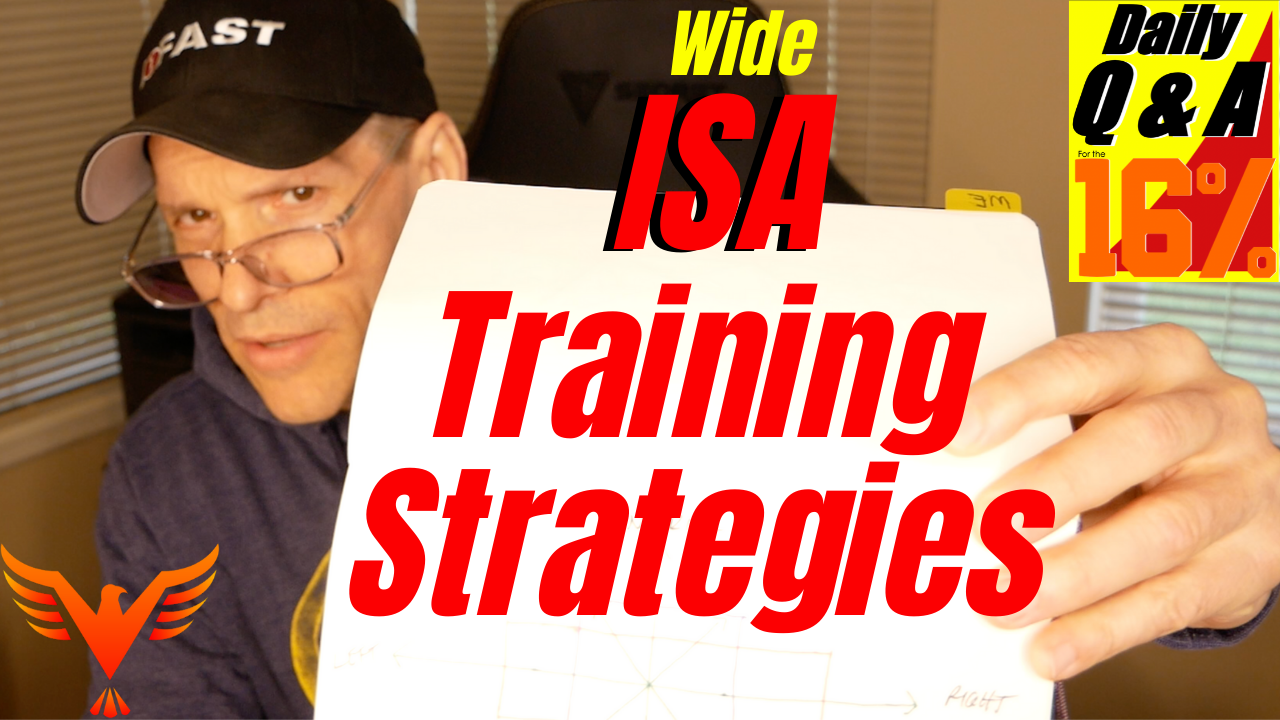
    I have my @neurocoffee and I have a great Q & A for today with visual aids included.

    From Jimmy: I was wondering if you could go into a bit more detail about wide ISAs that show a swayback/posterior tilt, where would you start with someone like this? Following on from this, would that change for someone with an asymmetrical ISA?

    I had to go low tech and draw a diagram for you, so be ready with your screen capture. Send questions to askbillhartman at gmail with “Bill Hartman question” in the subject line.

    #infrasternalangle #wideISA #billhartmanpt


    Find Bill:

    Instagram

    Facebook

    Twitter

    LinkedIn

  • Q & A for The 16% – Narrow Infrasternal Angle Squat Strategy

    Q & A for The 16% – Narrow Infrasternal Angle Squat Strategy

    Get your @neurocoffee.

    Here’s today’s Q & A.

    From Zhang:
    I noticed on my female clients, mostly narrow ISA, that a lot of them have anterior pelvis orientation (lordotic lumbar spine, limited hip extension, butt back during squats). One way I use to promote posterior pelvis orientation is by using a heel ramp and cueing them to tuck,  but I see little improvement. Is this a good strategy for narrow ISA? Will it promote further inhalation bias which defeats the purpose of creating posterior pelvic orientation?
    What other strategies would you recommend to reduce anterior orientation of the pelvis for narrow ISA?

    #narrowisa #heelselevatedsquat #billhartmanpt

    Find Bill:

    Instagram

    Facebook

    Twitter

    LinkedIn

  • The Bill Hartman Podcast for The 16% – Season 2 Number 7

    The Bill Hartman Podcast for The 16% – Season 2 Number 7

    Listen to this week in review while you pretend to work. 😉

    1. Shoulder IR limitations and influence on the golf swing

    2. Low bar squat shoulder position and lunge compensations

    3. Influences on neck rotation

    4. 6 am Coffee and Coaches Conference Call

    5. Interpretation of table tests and position

    Find Bill:

    Instagram

    Facebook

    Twitter

    LinkedIn

  • Q & A for The 16% – Range of Motion Interpretation Mistakes

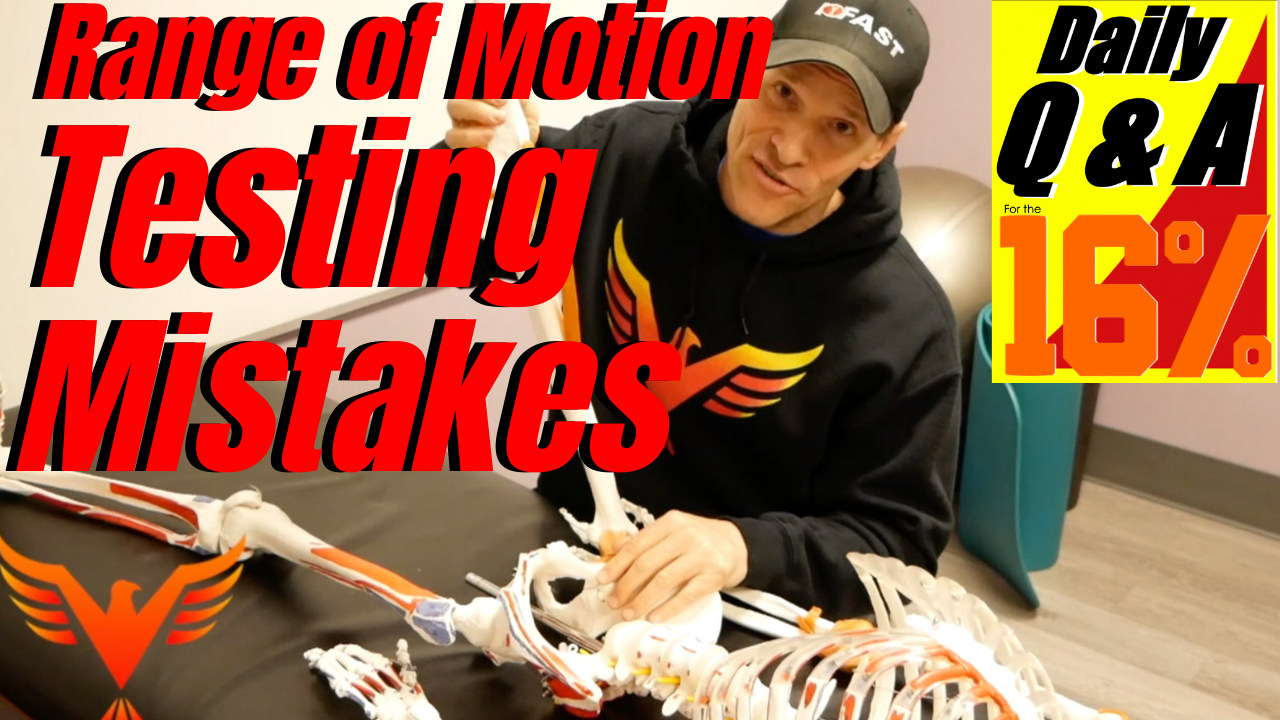
    Q & A for The 16% – Range of Motion Interpretation Mistakes

    I get a lot of questions as to how I interpret table tests, and how I relate the results of them to representations of the archetypes, symmetry or asymmetry, and what interventions are best.

    Your chessboard (the compilation of all your table measures) produces a 4D representation of your client in space. This guides your thinking and your process. A common mistake or misbelief is that you’re measuring from some imaginary zero point based on dead guy anatomy. While some zero point can be a representative model in certain circumstances, it also promotes misinterpretation of many table tests.

    Here’s an example of how you can have symmetrical measures on the table that are not truly symmetrical.

    #straightlegraise #physicaltherapy #billhartmanpt

    Find Bill:

    Instagram

    Facebook

    Twitter

    LinkedIn