Author: Bill

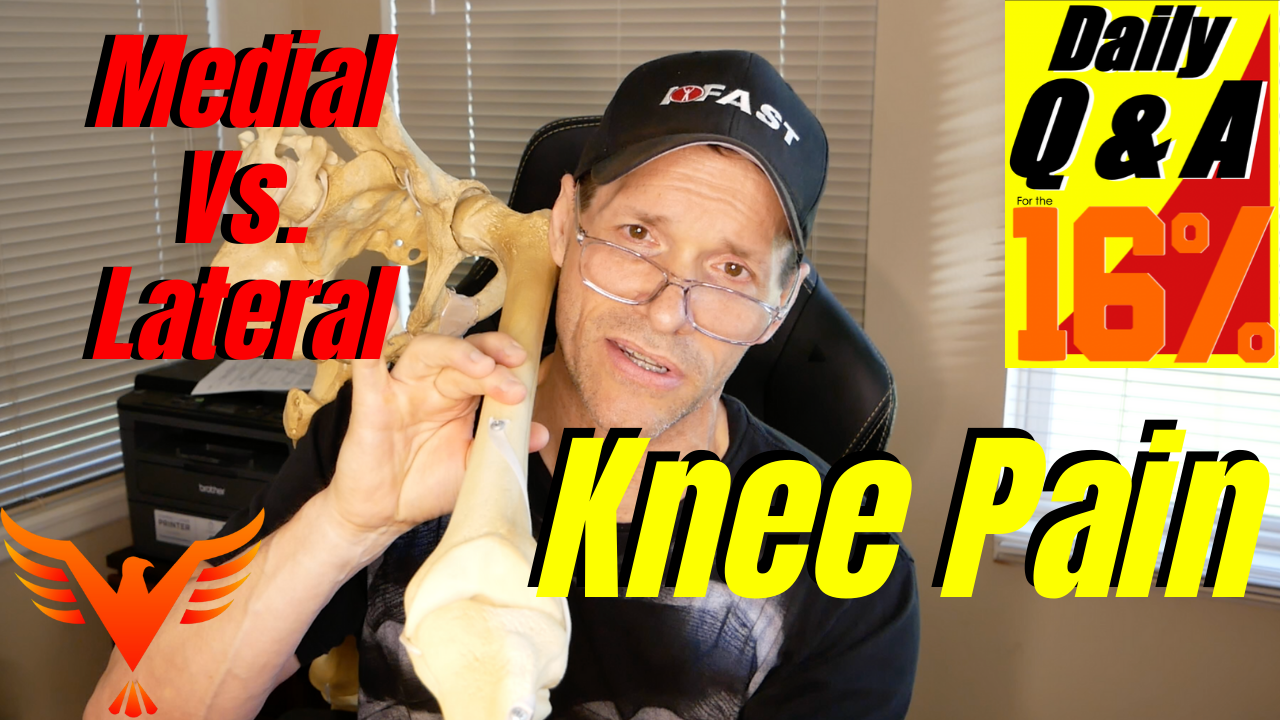
  • Q & A for The 16% – Medial vs. Lateral Knee Pain Explained

    Q & A for The 16% – Medial vs. Lateral Knee Pain Explained

    My @neurocoffee is perfect as usual, and I have a Q&A that came from yesterday’s call with The Intensive Group about knee pain.

    Typically, with either medial or lateral knee pain we’ll see a loss of relative motion in the segments of the lower extremity. When segments move together, different aspects of the system will eventually hit constraints of the knee joint. Depending on where the greatest load occurs, that’s where you’ll see the pain arise if it does. Your goal then, is to restore the relative movements of the lower extremity. I have a series of videos for medial and lateral knee pain available here on instagram and on my YouTube channel, so check those out if you need suggestions for treatment or training.

    #kneeexercises #kneepain #billhartmanpt

    Find Bill:

    Instagram

    Facebook

    Twitter

    LinkedIn
  • The Bill Hartman Podcast for The 16% – Season 3 – Number 4

    The Bill Hartman Podcast for The 16% – Season 3 – Number 4

    1. Recapturing ankle mobility

    2. Resolving right groin pain

    3. Powerlifting squat vs. Body Weight Squat

    4. Coffee ‘n’ Coaches Conference Call

    5. Testing and recapturing hip extension without hip flexor stretching

    Find Bill:

    Instagram

    Facebook

    Twitter

    LinkedIn
  • Q & A for The 16% – Powerlifting Squat vs. Body Weight Squat

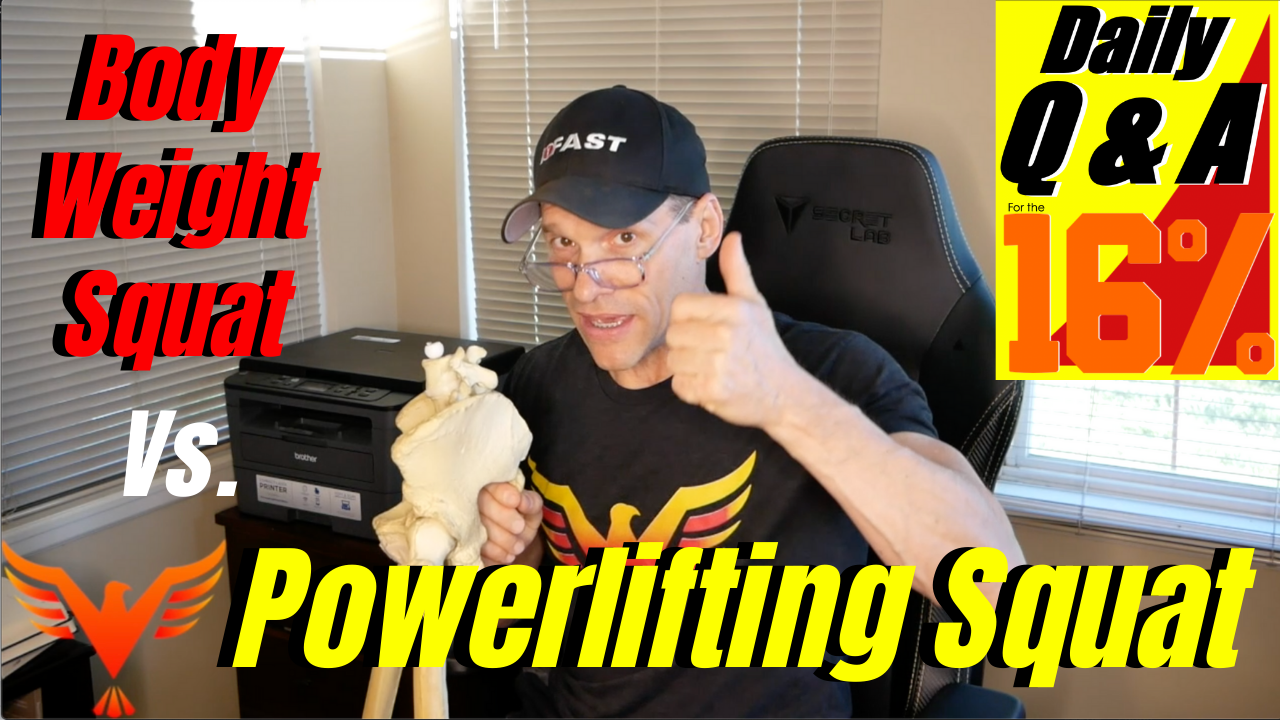
    Q & A for The 16% – Powerlifting Squat vs. Body Weight Squat

    My @neurocoffee is on another level today, so here’s today’s Q & A.

    From SanD:

    Can you please use your pelvis model to explain/compare pelvic position for stages of a reg squat v. competition back squat? Stuck trying to understand how the reg squat inhale down (sacrum counternutates, ilia spread, pelvic floor/guts drop) to yield, then exhale up to overcome (sacrum nutates, ilia narrow, etc) converts to a competition squat where you set the pelvic position for both yielding and overcoming at the top and hold it until the lift is complete. Wouldn’t inhaling at the start to get tight counternutate the sacrum which isn’t ideal for overcoming at the bottom. How do you coach that pelvis?

    #powerlifting #backsquat #billhartmanpt

    Find Bill:

    Instagram

    Facebook

    Twitter

    LinkedIn
  • Q & A for The 16% – Improving Dorsiflexion – Ankle Mobility

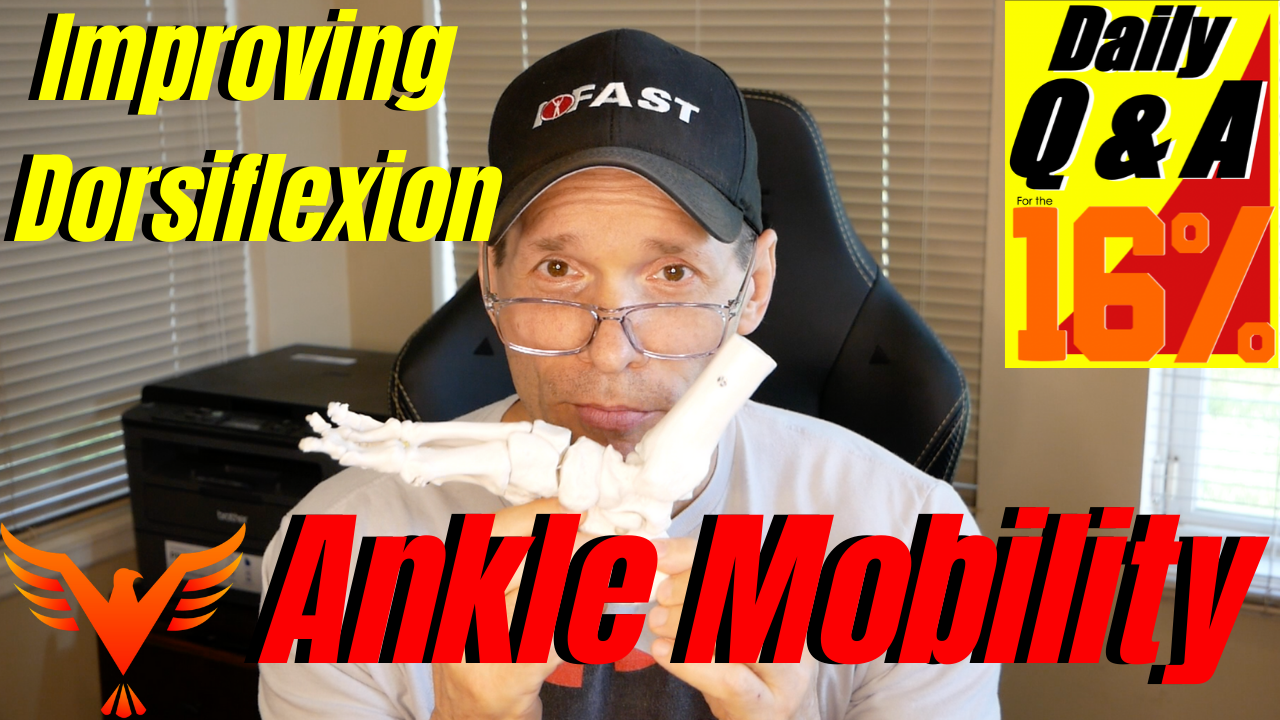
    Q & A for The 16% – Improving Dorsiflexion – Ankle Mobility

    Grab a @neurocoffee and here’s today’s Q & A.

    From Marcus: I’ve seen your videos where you use the foot manipulations to alter ankle and hip range of motion with great interest, but I’m a strength coach so manipulation is off the table. I have a client with limited right ankle mobility in dorsiflexion, limited hip ER on both sides L more than Right, and a history of Achilles problems but those have resolved after wearing a heel lift in his right shoe.

    Can you offer some strategy to help recapture this dorsiflexion?

    #anklemobility #calfstretching #billhartmanpt

    Find Bill:

    Instagram

    Facebook

    Twitter

    LinkedIn
  • The Bill Hartman Podcast – Season 3 – Number 3

    The Bill Hartman Podcast – Season 3 – Number 3

    The Bill Hartman Podcast Season 3 Number 3:

    Get the whole week in one Podcast.

    This week’s topics:

    Should the abs be contracted or complete relaxed at rest?

    The simple answer is if your abs are contracted, you probably aren’t at rest, but let’s take this concept and apply it to how we breathe when trying to recapture movement or when trying to raise performance.

    I know you have work on knee valgus in athletes and to what degree is it not something to worry about because it potentially helps produce power.  I was wondering where I could find that info to read more about it?

    What is knee valgus and why does it happen? How to train your way out of it.

    This is more of a powerlifting-related question: what strategies (breathing, postural) can those with narrow/wide ISAs use to maximize thoracic extension in the bench press, as it relates to the ribcage? This is mostly regarding the setup to execute the lift. Any info on the role of ISAs in proper bench execution would be much appreciated, actually. I hope that makes sense, and thank you so much!

    This week’s Coffee ’n’ Coaches Conference Call.

    Could you explain why some people go into what looks like cervical flexion at the bottom of a bench press?

    I have an athlete that wants to train their neck because they’re a combat athlete. I was curious what your thoughts are on neck training and how you would go about it for both a wide or narrow ISA. They are fairly well progressed in their program and feeling great, but have had issues with neck tension in the past.


    Find Bill:

    Instagram

    Facebook

    Twitter

    LinkedIn