Author: Bill

  • Q & A for The 16% – Overcoming and Yielding Actions – A Demonstration

    Q & A for The 16% – Overcoming and Yielding Actions – A Demonstration

    Overcoming actions and Yielding actions of muscle are sometimes difficult to grasp because of the ingrained weakness of how we learned muscle contraction in school. While useful, the model that school provided has significant limitations. If we think differently, we can refine our understanding of how muscles can magnify pressures, allow movement to occur, and shorten/lengthen non-uniformly to produce smooth, fluid movement.

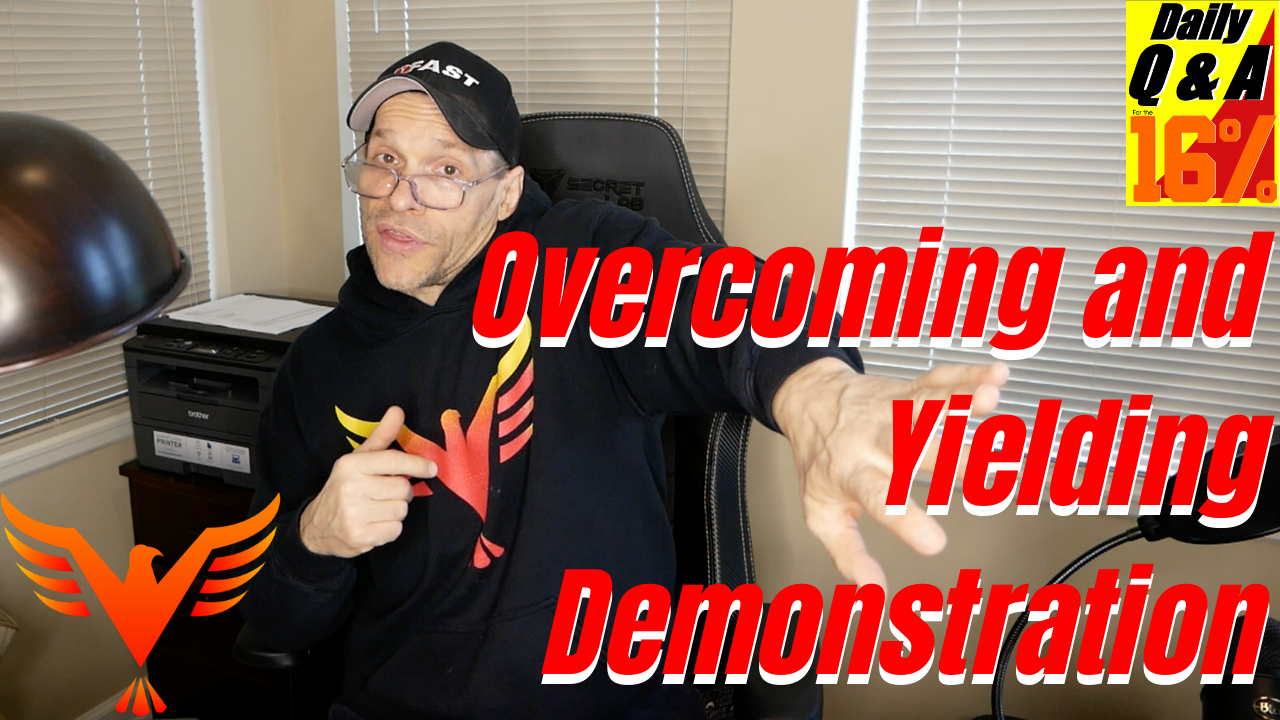
    In this video: I demonstrate on a large scale representation of how our muscles behave under certain circumstances. If you have questions, please post them below in the comments.

    #overcoming #musclecontraction #billhartmanpt


    Find Bill:

    Instagram

    Facebook

    Twitter

    LinkedIn

  • The Chris Knott Podcast Q & A with Bill Hartman

    The Chris Knott Podcast Q & A with Bill Hartman

    Chris Knott and I discuss the following topics:

    • Why I run The Intensives and what he and his students get from the experience

    • The learning process and why it’s so important to continue learning at any stage of your career and start to think differently

    • The ISA and why presentations impact your suitability towards exercises

    • How strength training affects your mechanics

    • My training history and how he used to train (does anyone really care… okay, maybe)

    • Why exercise prescription in postural correction is vital and why exercises should be prescribed based on assessments and not a presumption.

    Bill Hartman on the Chris Knott Podcast


    Find Bill:

    Instagram

    Facebook

    Twitter

    LinkedIn

  • Q & A for The 16% – Heels-Elevated Squat – Hip ER to Hip IR to Hip ER

    Q & A for The 16% – Heels-Elevated Squat – Hip ER to Hip IR to Hip ER

    Question: Hi there, Bill!! This is Fabrizio from Italy. Hope you are fine. I would like to know what happens when you exhale on the way down of a “squatty squat” (goblet or Zercher plus heel wedge for example). Are you actually biasing an expansion/inhaled exercise variation towards a more compressed strategy in this case?? Is a pure vertical displacement on the way down still likely to happen or will the exhale make it harder for the sacrum to counternutate?? (doesn’t in fact the exhale entail sacrum nutation??)

    Thank you, Bill. Please keep up the great work!!

    Greetings from Italy. -Fabrizio

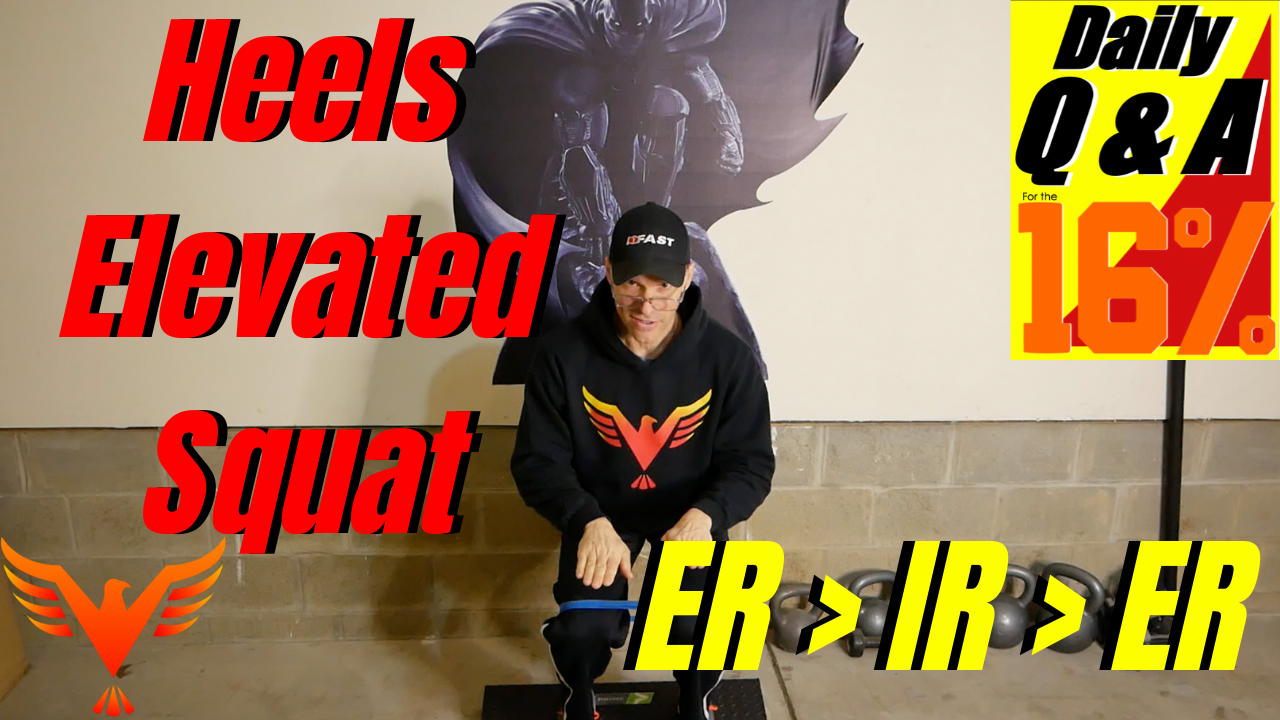
    In this video: I explain how to avoid the compensatory breathing strategy associated with superficial muscle compression that can limit movement. I also explain how you move from inhalation/external rotation to exhalation/internal rotation and back to inhalation/external rotation as you squat. Please pardon the lack of eye contact as I was working off of two cameras.

    #heelselevatedsquat #breathingexercises #billhartmanpt


    Find Bill:

    Instagram

    Facebook

    Twitter

    LinkedIn

  • Q & A for The 16% – Bones and Shape Change for Bigger Lifts, Higher Jumps, and Better Breathing

    Q & A for The 16% – Bones and Shape Change for Bigger Lifts, Higher Jumps, and Better Breathing

    Movement professionals tend to see a limited view of the human system. Focus is placed on the muscles and tendons, but the skeleton is under-appreciated. Bones bend, twist, compress and expand. They store and release a great deal of energy making them essential in the process of human performance.

    In this video: I explain how viscoelastic tissues of the movement system behave differently in different circumstances. How you can see and think about things differently when you train yourself and others.

    #viscoelastic #plyometrics #billhartmanpt


    Find Bill:

    Instagram

    Facebook

    Twitter

    LinkedIn

  • Q & A for The 16% – Rotator Cuff and Scapular Muscle Activity  – Yielding and Overcoming Represented

    Q & A for The 16% – Rotator Cuff and Scapular Muscle Activity – Yielding and Overcoming Represented

    Question: I was just reading through “The role of shoulder muscles is task-specific” by Boettcher et. al (2010, Journal of science and medicine in sport) which found that in 90 degrees of shoulder abduction: – trapezius and serratus EMG activation increased with isometric external rotation – trapezius and serratus activation dropped to nearly zero with isometric internal rotation at 90 degrees shoulder abduction Could you perhaps speak to how or why the body creates compression of the thorax in what would otherwise be an expansive movement (shoulder ER) and seems to allow expansion of the thorax in what would be a compressive movement (shoulder IR)?

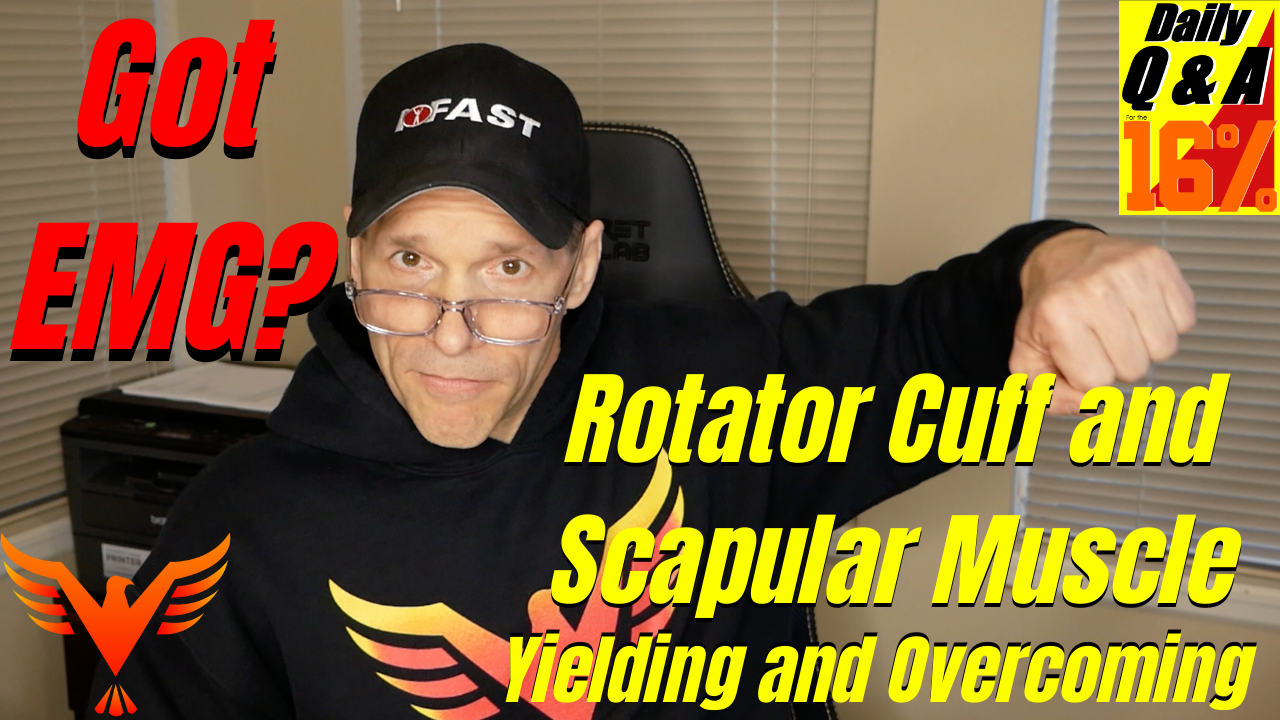
    In this video: I explain how this finding is actually consistent with The Model in regard to inhalation and exhalation strategies via overcoming and yielding muscle actions of the scapular and rotator cuff muscles.

    #rotatorcuffexercises #trapezius #billhartmanpt


    Find Bill:

    Instagram

    Facebook

    Twitter

    LinkedIn